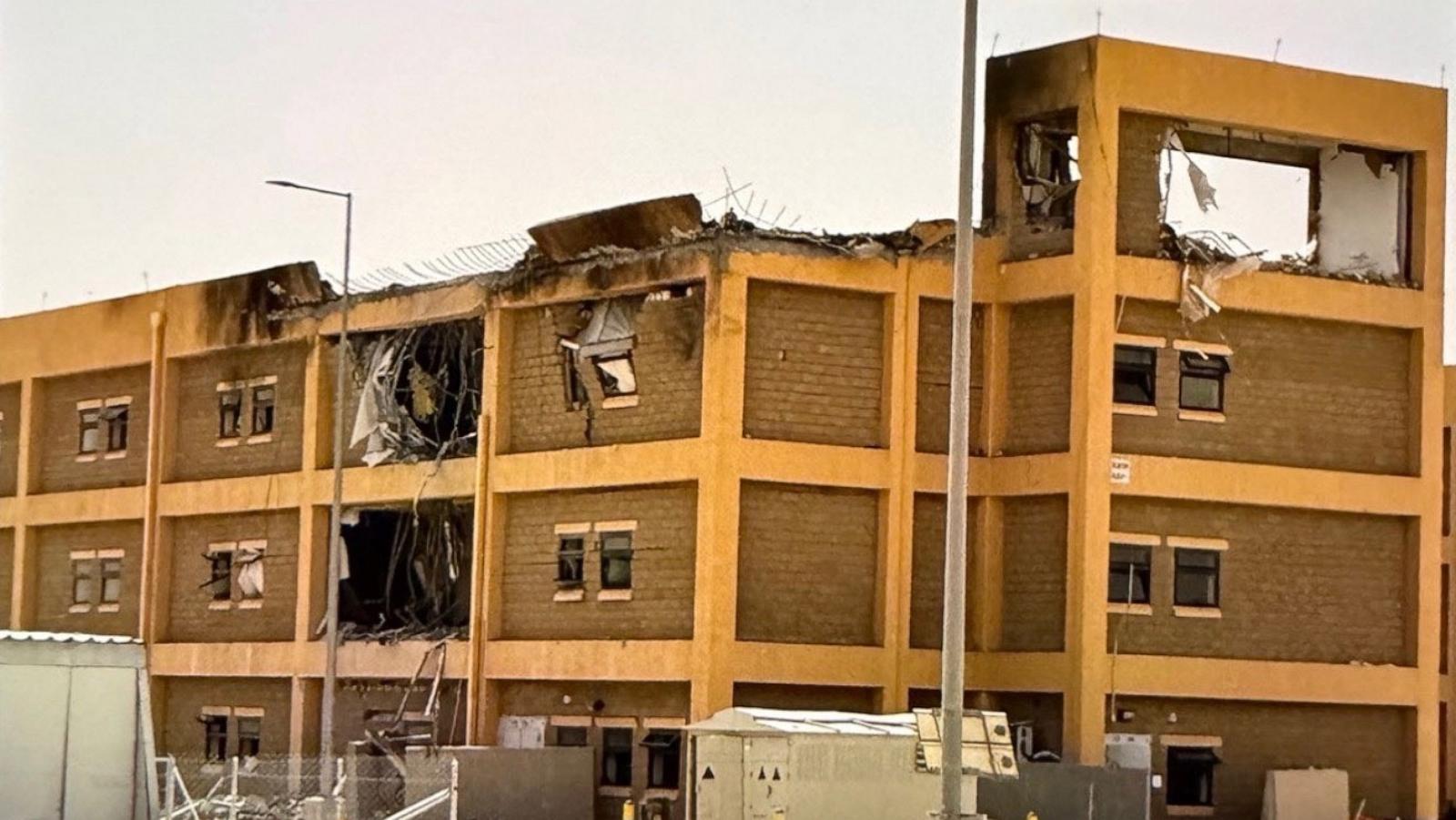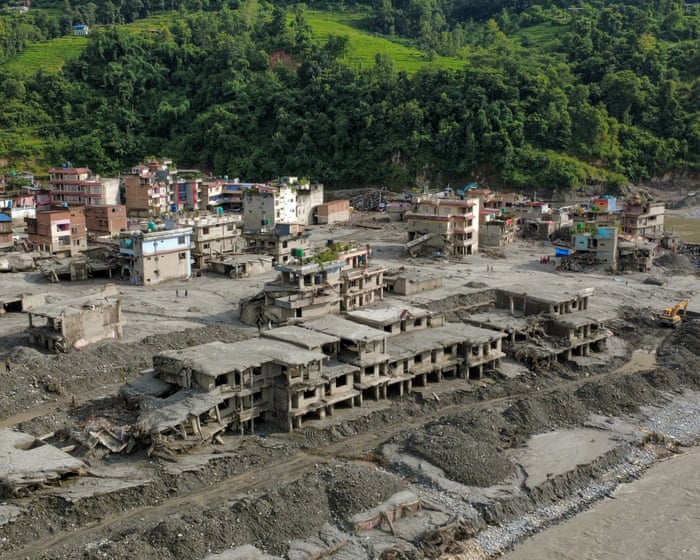
Climate crisis likely behind devastating Nepal-Tibet floods that killed more than 1,300, first study finds
Summary
A recent scientific study found that climate change likely caused a glacier collapse in Nepal and Tibet, resulting in deadly floods that killed over 1,300 people. Warmer temperatures weakened the glacier, which released a massive avalanche of snow and ice, triggering fast and destructive floods.Key Facts
- The glacier collapse occurred on August 26 on Langtang Lirung mountain, releasing about 110 million cubic meters of snow and ice.
- More than 1,300 people died and 5,000 remain missing due to the floods.
- The avalanche fell 1,400 meters and caused an earthquake-level impact.
- Climate change caused the region to warm about 2°C since pre-industrial times, with record highs shortly before the disaster.
- Rising temperatures have shifted the freezing line higher, weakening mountain slopes by melting permafrost (frozen soil).
- The glacier has been shrinking, losing support and releasing meltwater that contributed to instability.
- A 7.8 magnitude earthquake in 2015 also damaged the area, increasing vulnerability to collapse.
- This event is very rare, estimated to happen once every 1,000 to 10,000 years under normal conditions, showing limits to how much local communities can adapt.
Read the Full Article
This is a fact-based summary from The Actual News. Click below to read the complete story directly from the original source.