How An Oil Pipeline Attack 7,500 Miles Away Surges Prices at the Pump
Summary
An attack by a militia believed to be linked to Iran cut Saudi Arabia's East-West oil pipeline, which helps bypass the busy Strait of Hormuz. This disruption lowers the flow of Saudi oil by millions of barrels a day, causing global oil prices to rise and affecting fuel prices in the U.S. and other countries.Key Facts
- The East-West pipeline is crucial for Saudi Arabia to export oil without using the Strait of Hormuz.
- The attack is believed to come from an Iran-aligned Iraqi militia.
- The pipeline disruption reduces Saudi oil exports by about 7 million barrels daily.
- Iran controls important shipping chokepoints like the Strait of Hormuz and Bab el-Mandeb, giving it influence over oil flows.
- Since early 2024, Iranian actions have blocked about 10 million barrels a day from the market.
- U.S. and international reserves are being used to try to stabilize oil supplies, but their reserves are running low.
- Global oil prices have risen above $100 per barrel due to supply shortages and increased demand.
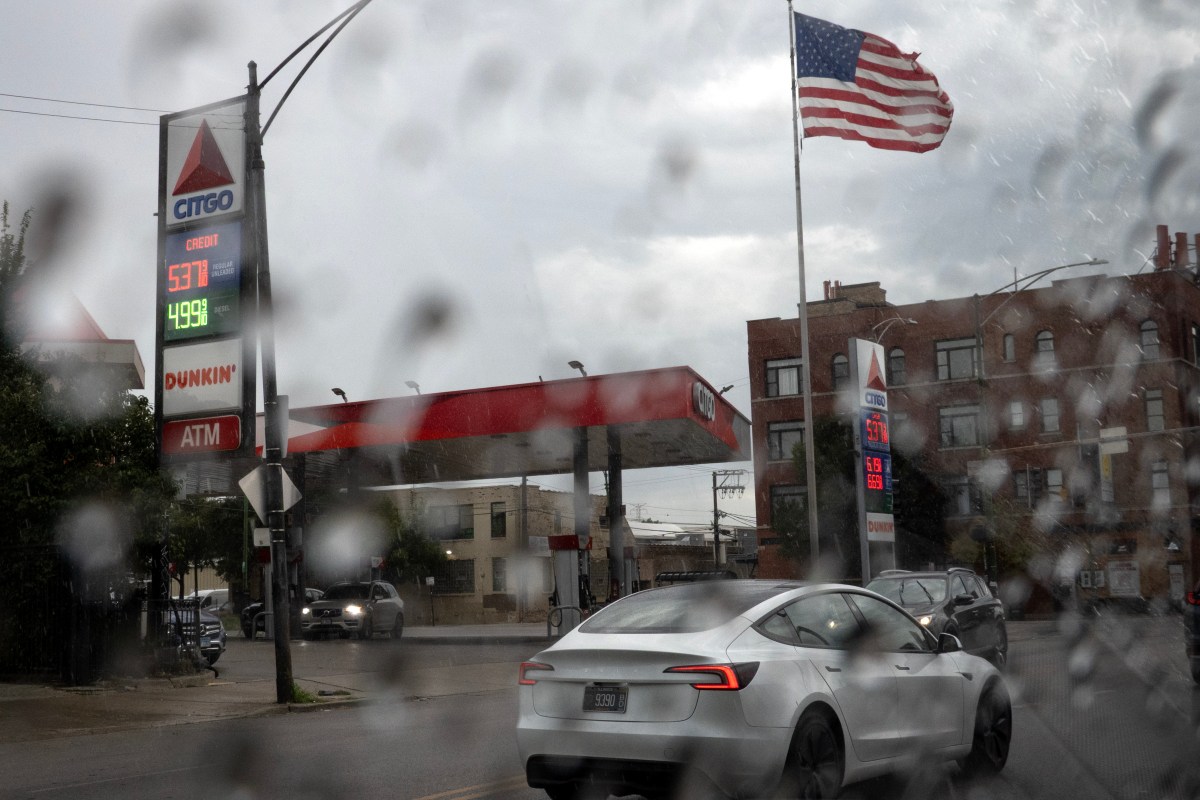
- Diesel fuel prices are very high, sometimes reaching nearly $5 per gallon in the U.S., partly because of stronger exports competing with U.S. supply.
Read the Full Article
This is a fact-based summary from The Actual News. Click below to read the complete story directly from the original source.