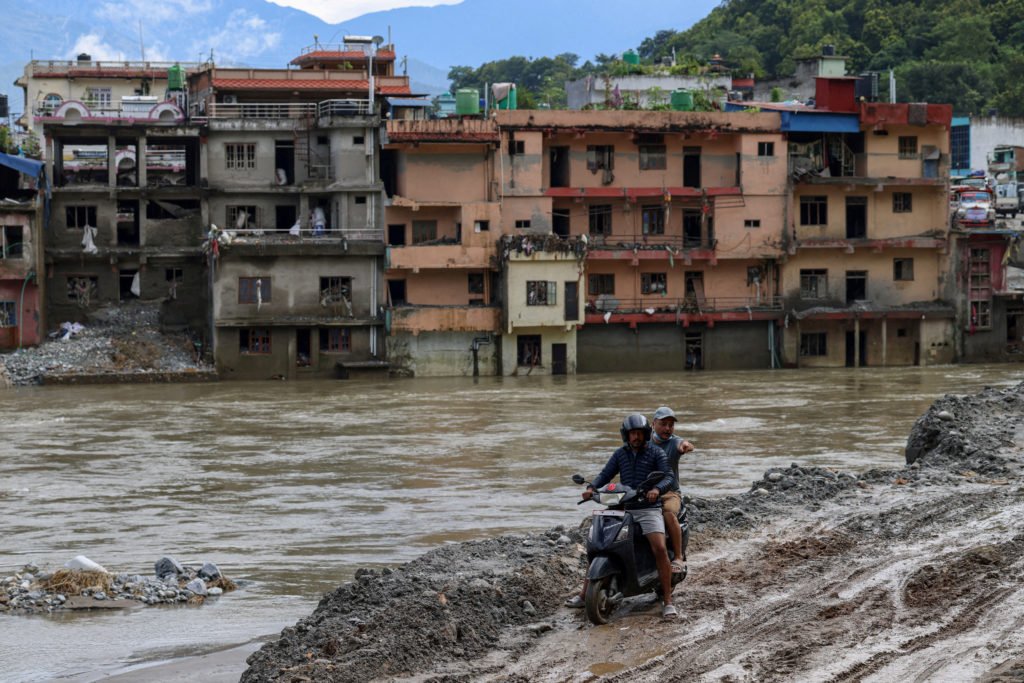
Climate change made deadly Nepal glacier and rock collapse more likely, analysis finds
Summary
A large section of rock and glacier collapsed in Nepal last month, causing deadly flooding. A new report says climate change made this disaster more likely by warming the Himalayas, which thinned glaciers and thawed frozen ground, making the mountain slopes less stable.Key Facts
- The collapse happened on August 26 near Nepal’s border with China.
- Over 1,300 people died and more than 5,000 are still missing.
- Climate change warmed the Himalayas, causing glaciers to thin and thawing permafrost (permanently frozen ground).
- Thawing permafrost weakens mountain slopes by creating cracks in ice and rock.
- Glaciers in the area have been losing more than half a meter (about 1.6 feet) of thickness each year.
- The Langtang Lirung glacier, near the disaster site, has retreated about 0.3 miles since the 1990s.
- The 2015 Nepal earthquake may also have weakened the rock before the collapse.
- The Himalayas hold the largest amount of snow and ice outside the polar regions and impact water supplies for billions of people.
Read the Full Article
This is a fact-based summary from The Actual News. Click below to read the complete story directly from the original source.