Edward Colston’s remains likely to stay at Bristol church that could become community space
Summary
The remains of Edward Colston, a 17th-century enslaver, are likely to stay in All Saints church in Bristol as plans proceed to convert the unused building into a community space. Church leaders emphasize that Christian burials are usually permanent and want to use the site for learning and reflecting on Bristol’s connections to the slave trade.Key Facts
- Edward Colston died in 1721 and was buried in All Saints church on Corn Street in Bristol.
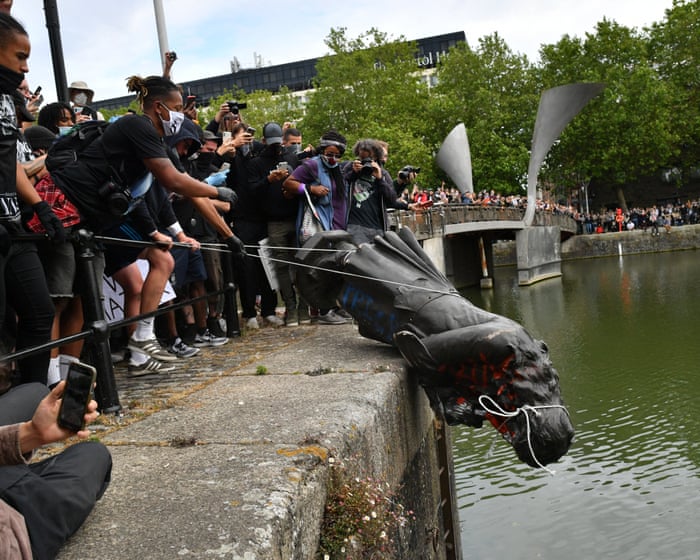
- Colston became widely known after his statue was toppled during a 2020 Black Lives Matter protest and thrown into the harbour.
- The All Saints church has been closed since 1984 and is being considered for use as a community resource focused on history and education.
- The dean of Bristol says Christian burial remains are normally not disturbed unless there is a very strong reason.
- Bristol’s diocese has been consulting local people about the future of the church and how to handle Colston’s legacy.
- Other Bristol landmarks linked to Colston, like the statue and concert hall, have been renamed or removed.
- The church hopes the site can help bring people together through honest discussions about the past.
- The consultation has included diverse views from different communities affected by slavery and the city’s history.
Read the Full Article
This is a fact-based summary from The Actual News. Click below to read the complete story directly from the original source.