Trump’s sneaky plan to gut Endangered Species Act draws from 1995 Scalia dissent
Summary
The U.S. Fish and Wildlife Service (FWS) has issued a new memo changing how the Endangered Species Act (ESA) is interpreted. This change means that accidental harm to endangered animals, like habitat damage or accidental deaths, will no longer be considered a violation unless the harm was intentional.Key Facts
- The FWS issued a memo directing staff to interpret the ESA in a way that does not count accidental harm as a violation.
- Previously, habitat modifications causing injury or accidental deaths to endangered animals were prohibited; the new rule only prohibits harm if it is done on purpose.
- For example, if a boat accidentally hits a whale, it will not be considered harm under the new guidance.
- This change follows an earlier rule that removed habitat destruction from the definition of harm under the ESA.
- Environmental groups worry this will weaken protections and harm endangered species and their populations.
- Under the previous rules, businesses had to review environmental impact and sometimes fund conservation efforts if accidental harm occurred.
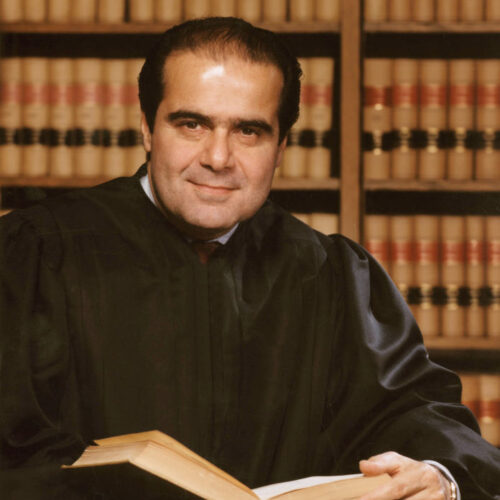
- President Donald Trump supports this change and bases it on a 1995 Supreme Court dissent written by Justice Antonin Scalia that opposes broad ESA protections.
- The change reflects a legal shift away from the “Chevron doctrine,” which allowed agencies to interpret unclear laws more flexibly.
Read the Full Article
This is a fact-based summary from The Actual News. Click below to read the complete story directly from the original source.