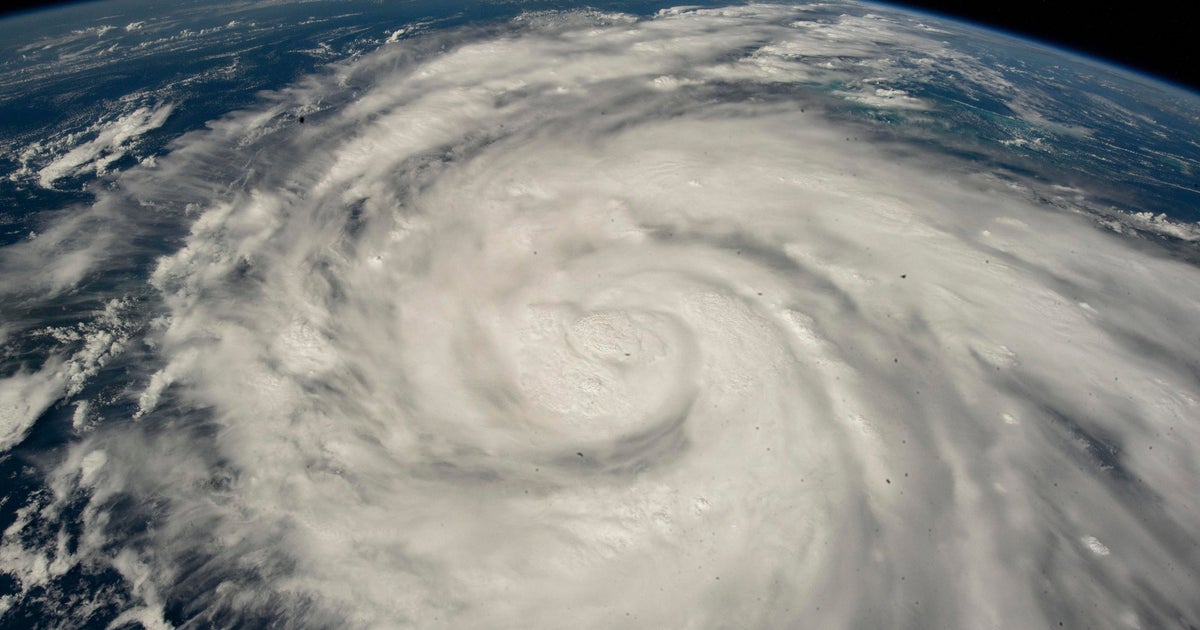
Here's what the hurricane categories mean
Summary
The Atlantic hurricane season runs from June 1 to November 30 and uses the Saffir-Simpson scale to rate hurricanes by wind speed and potential damage. Hurricanes are categorized from 1 to 5, with Categories 3 to 5 called "major" due to their high risk of serious damage and loss of life.Key Facts
- The Saffir-Simpson scale rates hurricanes from Category 1 (least severe) to Category 5 (most severe) based on sustained wind speeds.
- Category 5 hurricanes have winds of 157 mph or higher and cause catastrophic damage, such as destroyed homes and long-lasting power outages.
- Category 4 hurricanes have winds between 130-156 mph and also cause severe damage, including destroyed roofs and fallen trees.
- Category 3 hurricanes have winds between 111-129 mph and can cause major damage to homes and trees, with power and water outages lasting days to weeks.
- Categories 1 and 2 hurricanes are still dangerous but less destructive than higher categories.
- The 2026 Atlantic hurricane season has been below average, partly due to El Niño, which warms Pacific waters and affects storm patterns.
- The Pacific Ocean has seen stronger storms recently, including Hurricane Lowell and Category 5 Hurricane Polo.
- Major past hurricanes include Category 5 Hurricane Andrew (1992), Category 4 Hurricane Harvey (2017), and Category 3 Hurricane Zeta (2020).
Read the Full Article
This is a fact-based summary from The Actual News. Click below to read the complete story directly from the original source.