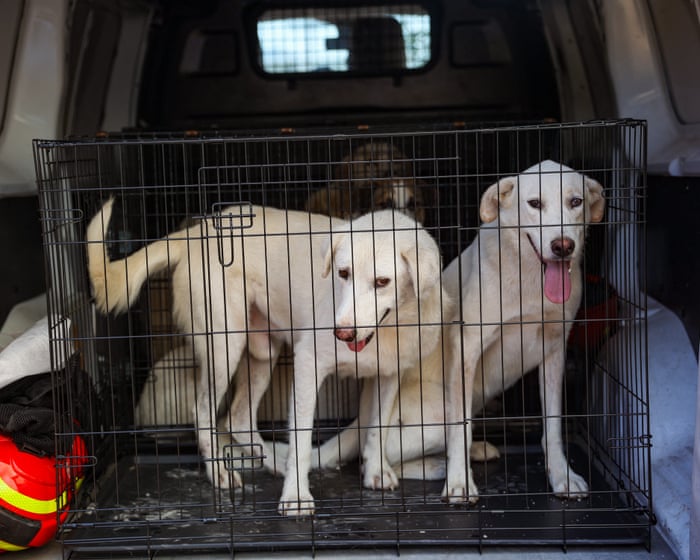
DNA database of UK dogs could help police collar criminals
Summary
Researchers in the UK have created a large database of dog DNA to help police investigations. By analyzing small DNA segments, they can identify a dog's breed or individual dog from evidence left at crime scenes, which can provide useful leads in solving cases.Key Facts
- Dogs have helped police with tasks like finding criminals and sniffing out drugs.
- Canine DNA such as hair or saliva found at crime scenes is often not fully studied.
- Scientists at King’s College London and the Royal Veterinary College created the first UK database of dog DNA profiles.
- The database uses short tandem repeats (STRs), small repeated DNA segments, to create unique DNA profiles for dogs.
- It covers 80 dog breeds, with at least 50 samples from the 10 most common breeds like labradors and cocker spaniels.
- This database helps identify whether a dog or its breed was involved in a crime, even if the dog isn’t known or available for testing.
- Another DNA method they use sequences mitochondrial DNA, which is passed from mother to offspring and helps when there is little sample material.
- The dog DNA analysis has already helped police in cases such as a man’s injury and a sheep attack by ruling in or out suspected dogs.
Read the Full Article
This is a fact-based summary from The Actual News. Click below to read the complete story directly from the original source.