How US and Canada Militaries Compare as Carney Says He Studied Invasion Risk
Summary
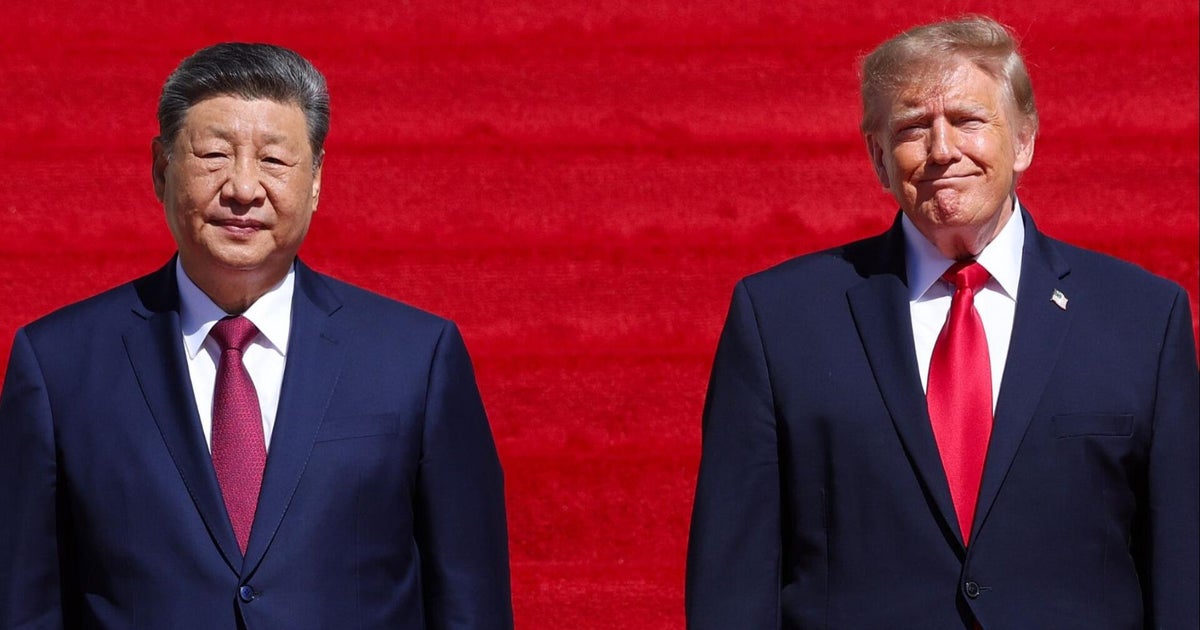
Canada's Prime Minister Mark Carney said his government examined the risk of a U.S. military attack after President Donald Trump jokingly called Canada the 51st U.S. state. Although Canada and the U.S. work closely on defense, the U.S. military is much larger, and Canada has studied how it might respond to a potential U.S. invasion for the first time in 100 years.Key Facts
- Prime Minister Mark Carney said Canada considered the unlikely risk of a U.S. attack after repeated comments from President Trump.
- Trump’s remarks calling Canada the U.S.’s 51st state have hurt relations between the two countries.
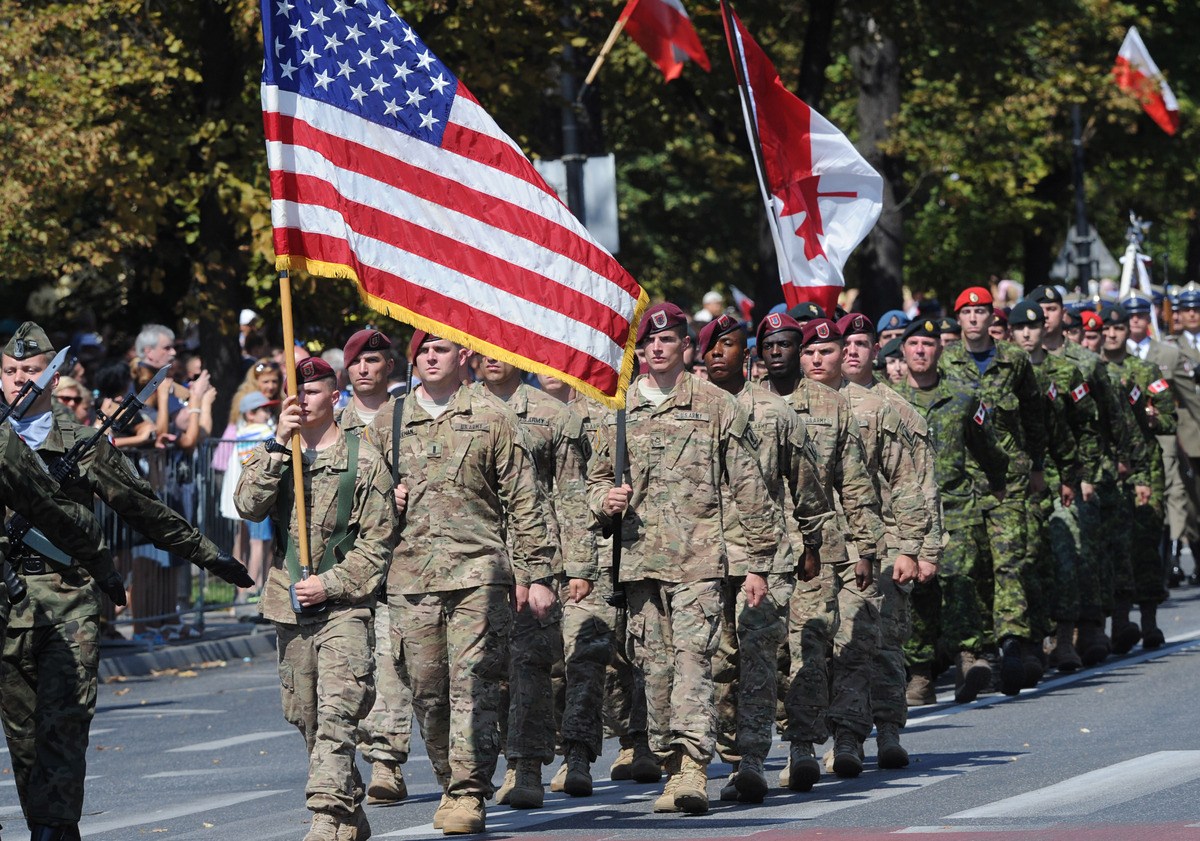
- Canada and the U.S. are military partners, sharing intelligence through the Five Eyes network and operating NORAD, a joint defense command.
- Canada mainly focuses its military on defending its own land and NATO missions, while the U.S. has a global military presence.
- The U.S. plans to spend $1.5 trillion on defense by 2027, while Canada plans to increase spending to about 4% of its GDP by 2030, below the NATO target of 5%.
- Canada does not have nuclear weapons; the U.S. is a major nuclear power with global strike capability.
- Canada had about 63,000 active military personnel at the end of 2025, much smaller than the U.S. forces.
- Canada last modeled a potential U.S. invasion and response about 100 years ago and resumed such planning recently.
Read the Full Article
This is a fact-based summary from The Actual News. Click below to read the complete story directly from the original source.