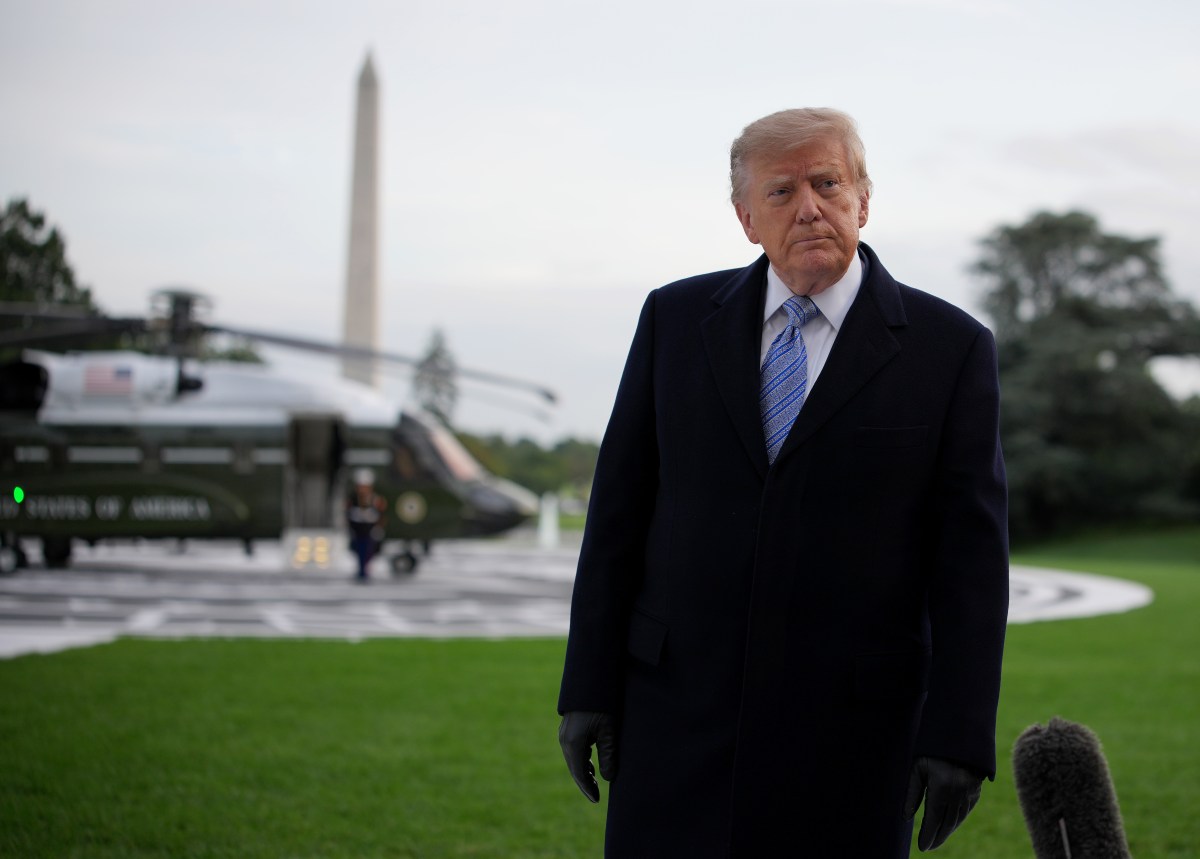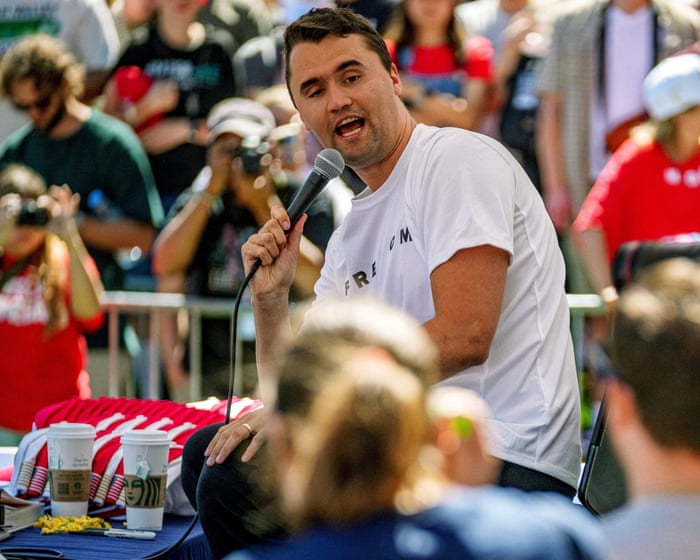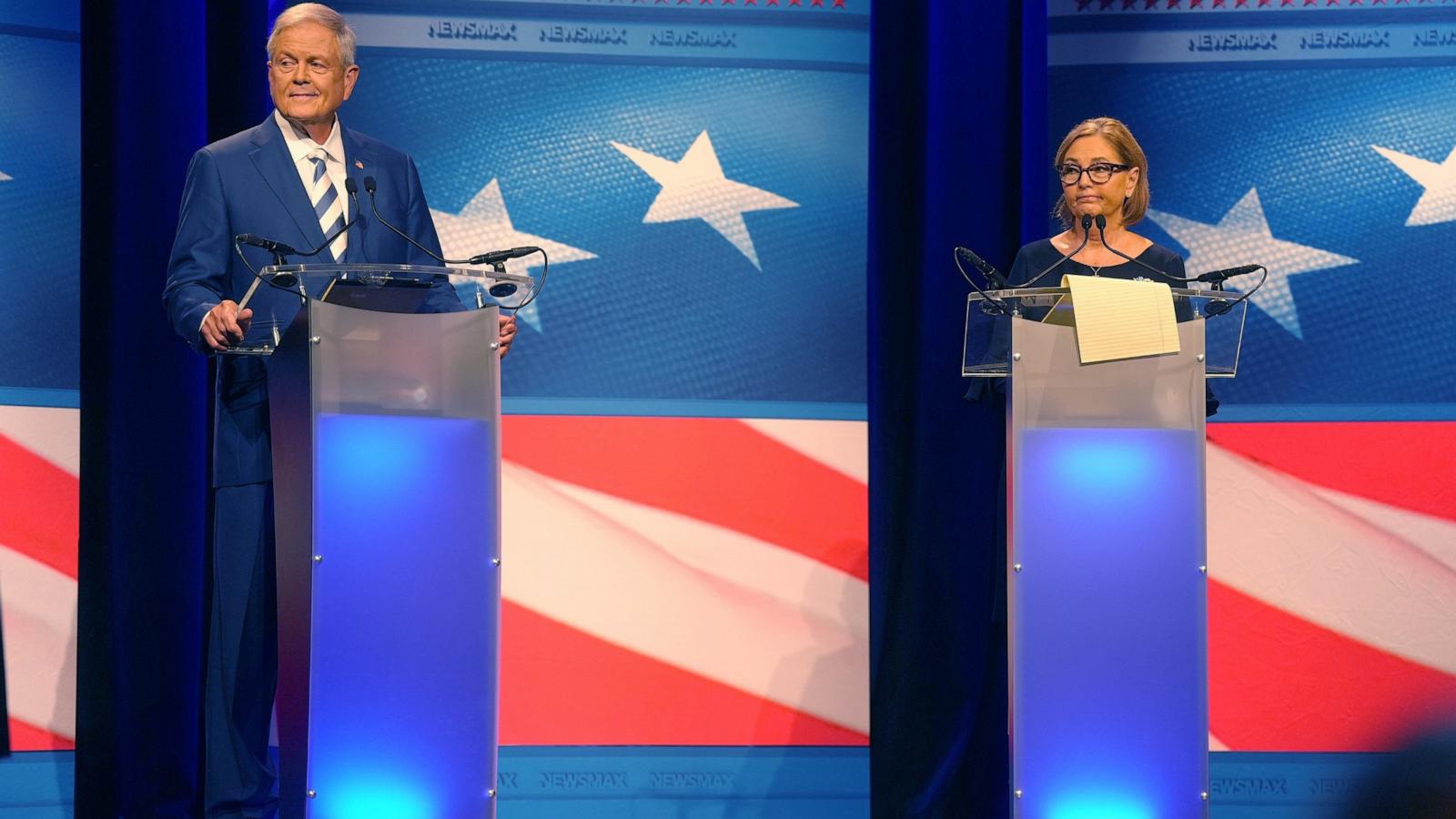
Candidates are increasingly dropping debates. Here's what it means for voters
Summary
Many candidates in the 2026 U.S. midterm elections are choosing not to participate in debates. This includes races for governor and Senate, with voters often missing the chance to see candidates discuss their views and respond under pressure.Key Facts
- In 2026, 21 out of 36 governor races will have no debate between major party candidates.
- The number of governor races without debates has grown from 2 in 2018 to 21 in 2026.
- For the Senate, 21 of 35 seats up for election in 2026 have no scheduled debates.
- Candidates say they avoid debates for reasons like avoiding false claims, differences being too large, or not responding to debate offers.
- Ohio gubernatorial Democrat Amy Acton declined to debate Republican Vivek Ramaswamy, accusing him of spreading lies.
- Alabama gubernatorial candidate Sen. Tommy Tuberville said debating was pointless due to large differences.
- Texas Republican Ken Paxton has ignored debate offers despite initial commitment, continuing a pattern from previous campaigns.
- Experts say skipping debates can hurt voters by limiting their ability to evaluate candidates’ ideas and performance under pressure.
Read the Full Article
This is a fact-based summary from The Actual News. Click below to read the complete story directly from the original source.