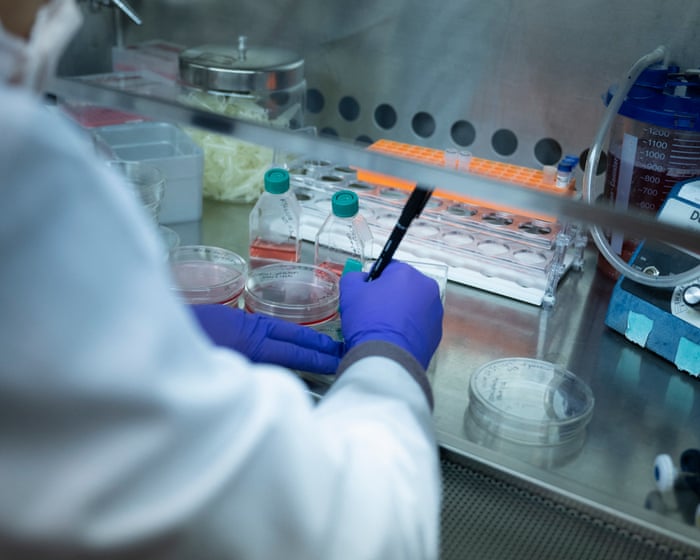
Only 3% of US sickle cell patients receive red blood cell exchange for disease, researchers find
Summary
A new survey shows that less than 3% of sickle cell patients in the US receive a blood treatment called red blood cell exchange, even though most hospitals have the technology. Providers face challenges like coordinating care, blood supply shortages, and lack of knowledge, while patients worry about insurance coverage.Key Facts
- Red blood cell exchange removes damaged red blood cells and replaces them with healthy donor cells.
- 91% of healthcare providers report having access to this treatment, but fewer than 3% of sickle cell patients get it.
- Barriers to treatment include poor coordination between hospital departments, limited blood donations, and unfamiliarity with the procedure.
- Only 5% of providers say they face no obstacles in giving this treatment.
- Many patients worry about whether their health insurance will cover the treatment.
- Sickle cell disease affects over 100,000 people in the US, mostly Black or African American.
- Experts recommend more specialized centers that bring together experts to manage and prevent sickle cell disease long term.
- About 80% of sickle cell patients are on Medicaid and many live in rural areas with less access to specialized care.
Read the Full Article
This is a fact-based summary from The Actual News. Click below to read the complete story directly from the original source.