To keep drug prices high, pharma has been piling up the patents
Summary
A study found that drug companies are filing many more patents on prescription drugs than before, mostly for small changes not related to the main ingredient. This slows down when cheaper generic versions can enter the market, keeping drug prices high for longer.Key Facts
- The number of patents per small-molecule drug rose from about 2.1 in 1990 to 6.9 in 2019.
- Most new patents are "nonprimary," covering minor changes like how the drug is delivered or used, not the active ingredient itself.
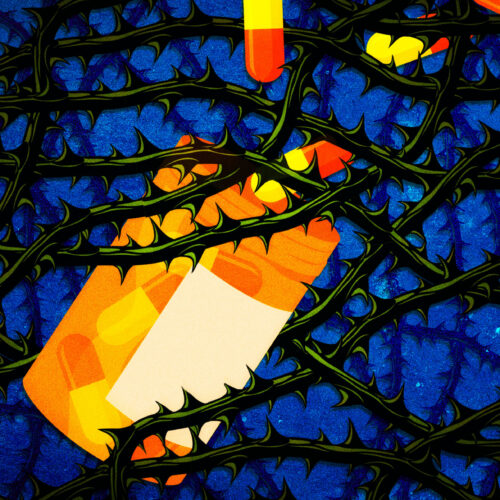
- These multiple patents create a “patent thicket,” which delays generic drugs becoming available.
- Average patent protection time increased from 2 years in 1990 to 6.1 years in 2019.
- The study looked at 1,981 drugs approved by the FDA from 1990 to 2019, with a total of 10,940 patents.
- Nonprimary patents made up 84% of all patents on these drugs.
- Spending on prescription drugs per person in the U.S. increased from $291 in 1990 to $1,084 in 2019 (adjusted for inflation).
- Researchers suggest reforms, such as closer patent reviews and new laws, to reduce patent thickets and help lower drug prices.
Read the Full Article
This is a fact-based summary from The Actual News. Click below to read the complete story directly from the original source.