World’s seas heated by a record 23 zettajoules last year
Summary
The world’s oceans absorbed a record 23 zettajoules of heat in the past year, causing ocean temperatures to rise, sea levels to increase, and marine ecosystems to suffer damage. This warming is contributing to more acidic seas, marine heatwaves, and problems like coral bleaching and breeding failures in penguins.Key Facts
- The oceans gained 23 zettajoules of heat, nearly 40 times the total energy used by humans that year.
- Sea levels have been rising by about 3.8 millimeters per year since 1999 and 4.2 millimeters per year from 2012 to 2025.
- Ocean acidity increased by about 17% in the last 40 years.
- Oceans absorb about one-third of human-produced carbon dioxide and around 90% of the extra heat caused by greenhouse gases.
- The Mediterranean Sea has warmed by 0.32°C per decade, with record marine heatwaves worsening in recent years.
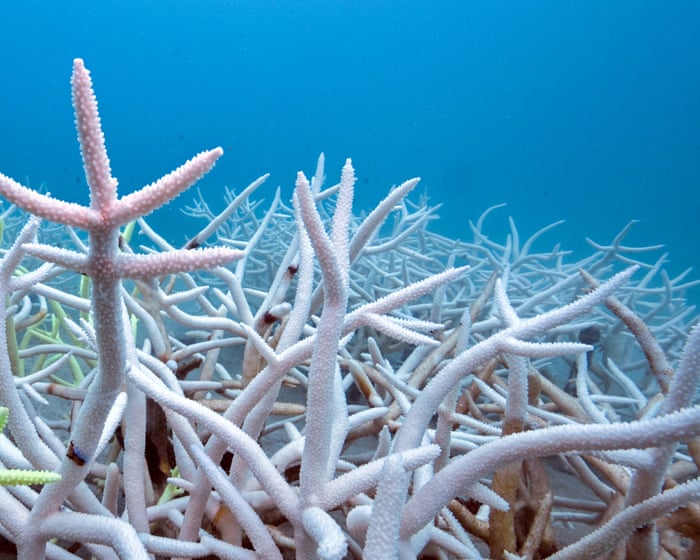
- Between January 2023 and September 2025, 84% of coral reefs worldwide experienced heat stress enough to cause bleaching.
- Changes in plankton growth affect ocean food webs and carbon flow, impacting nearly 5% of the oceans over 30 years.
- Extreme heat and air pollution combined have exposed over one-third of the world's population to dangerous ozone levels in 2026.
Read the Full Article
This is a fact-based summary from The Actual News. Click below to read the complete story directly from the original source.