AI tool that copied actor’s ‘lustrous’ voice violated his rights, says Tokyo court
Summary
A Tokyo court ruled that a person’s unique voice is legally protected under publicity rights after an actor sued TikTok for AI videos that copied his voice. The court acknowledged that using an actor’s voice without permission for commercial gain can violate their rights, but it did not order the removal of the videos since they were already deleted.Key Facts
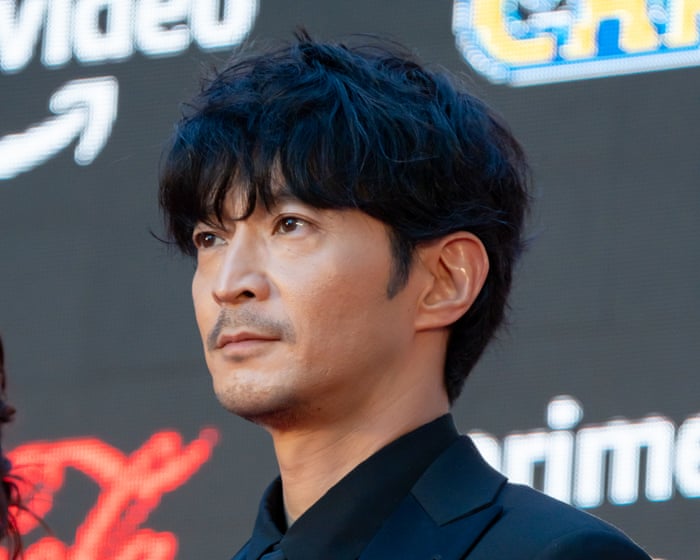
- Actor Kenjiro Tsuda sued TikTok for AI-generated videos using a voice copied from his distinctive baritone.
- The Tokyo district court said human voices are protected by publicity rights, which allow control over one’s identity for commercial use.
- The court stated the voice is as symbolic of personality as a person’s portrait.
- TikTok argued the videos used a generic male voice and denied the similarity to Tsuda was certain.
- The TikTok videos combined AI voice with images and discussed topics like urban legends and conspiracy theories.
- The account had over 200,000 followers and could have made between approximately ¥75,000 and ¥500,000 in monthly revenue.
- The videos were deleted by the user soon after the lawsuit was filed.
- Japan’s actors have raised concerns about AI copying voices and faces, launching a campaign to stop unauthorized AI use of their likeness.
Read the Full Article
This is a fact-based summary from The Actual News. Click below to read the complete story directly from the original source.