Google figures out how to watermark AI-designed proteins
Summary
Google’s DeepMind team developed a way to add a hidden “watermark” to AI-designed proteins. This watermark can identify proteins made by trusted researchers without affecting how the protein works, helping to track and control potentially risky AI-made biological materials.Key Facts
- AI tools can create useful proteins but may also generate harmful toxins or viral proteins.
- Current software cannot easily detect AI-designed proteins as potential threats.
- Google’s solution is to embed a hidden code, called a watermark, directly into protein sequences.
- The watermark does not change how the protein functions or changes its structure.
- The method is based on Google’s SynthID technology, originally used to watermark digital materials like images and text.
- Proteins are made of 20 amino acids, some very sensitive to changes, making watermarking challenging.
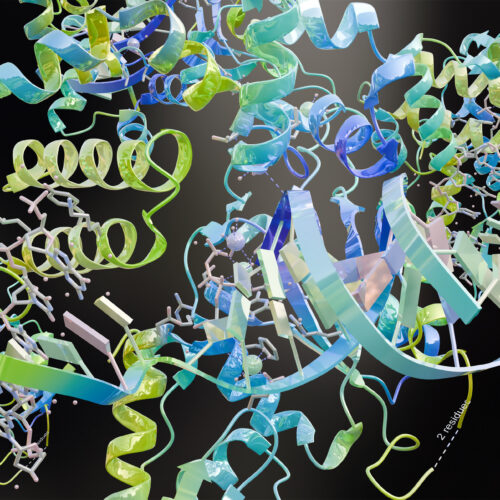
- The team used ProteinMPNN, an AI tool for protein design, to embed these watermarks successfully.
- This approach allows identification of proteins made by approved sources, enabling better biosecurity checks.
Read the Full Article
This is a fact-based summary from The Actual News. Click below to read the complete story directly from the original source.