Tokyo court grants legal protection to human voices in AI clone case
Summary
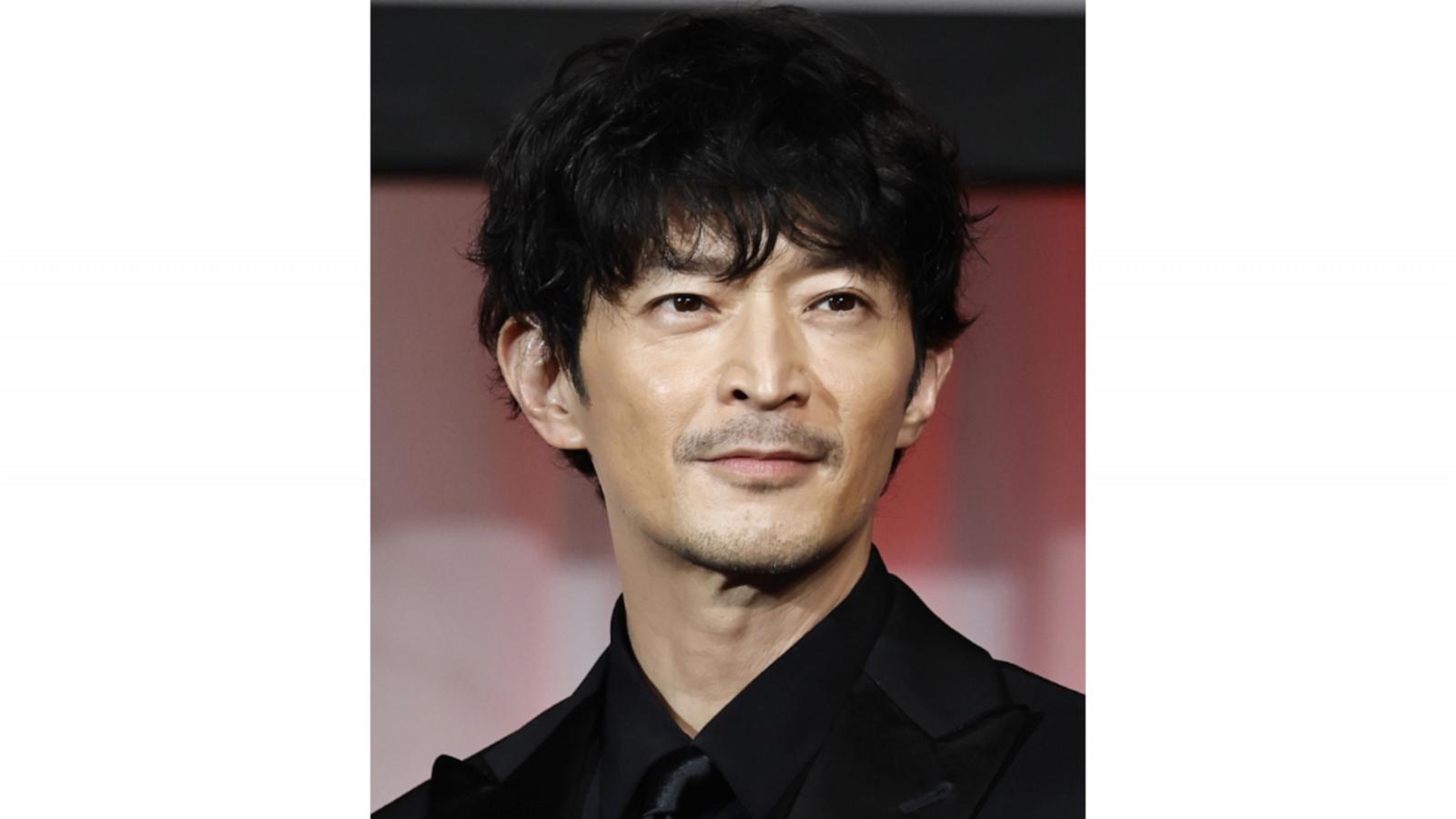
A Tokyo court has recognized legal protection for the human voice in a case involving a Japanese anime voice actor. The court ruled against a TikTok account that used an AI-generated version of the actor's voice without permission, marking the first time Japan acknowledged voice rights legally.Key Facts
- The Tokyo District Court ruled in favor of voice actor Kenjiro Tsuda, who challenged a TikTok account using an AI clone of his voice without consent.
- The court said the human voice represents a person's unique identity, similar to their portrait.
- The TikTok account had over 200,000 subscribers and posted more than 180 videos narrated with the AI-generated voice.
- The court considered the unauthorized use an infringement of Tsuda’s publicity rights but did not order all videos deleted because the account was already closed.
- This is Japan’s first legal recognition of a person's rights over their own voice.
- Voice actors in Japan are increasingly concerned about AI cloning of their voices, especially in anime.
- The defendant claimed the AI voice was not Tsuda’s real voice and said there was no harm to his reputation.
- This legal issue comes amid broader debates worldwide about AI voice cloning and rights of voice owners.
Read the Full Article
This is a fact-based summary from The Actual News. Click below to read the complete story directly from the original source.