Crude oil exports from strait of Hormuz largely return to pre-war levels
Summary
Exports of crude oil through the Strait of Hormuz have almost returned to levels seen before the Iran war started. Oil producers are using pipelines and ship-to-ship transfers to move the oil, but supplies of refined products like diesel are still limited, which is causing higher prices.Key Facts
- In September, about 16.5 million barrels of crude oil per day left the region, matching pre-war levels excluding Iran.
- This is 10.5 million barrels per day more than in March, when the war began.
- Around 40% of crude oil from the area is now moved using pipelines that avoid the Strait of Hormuz, up from 17% before the war.
- Saudi Arabia restarted its east-west pipeline in late September after repairs from drone attack damage.
- Most crude transported through the strait is carried by very large crude carriers that turn off their satellite trackers and transfer oil to other tankers offshore.
- More than 70% of crude passing through the strait in August involved changing tankers, compared to almost none before the war.
- Refined products like diesel are still in short supply, with less than 20% of pre-war shipping levels.
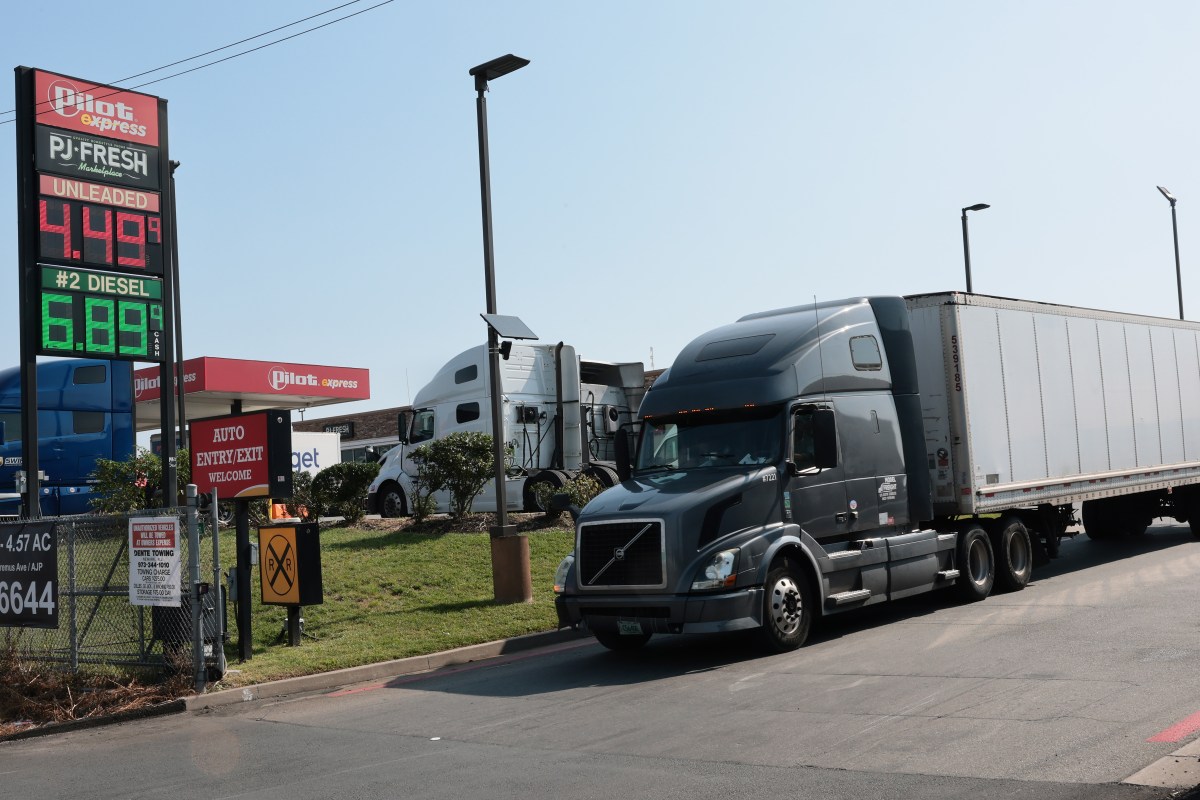
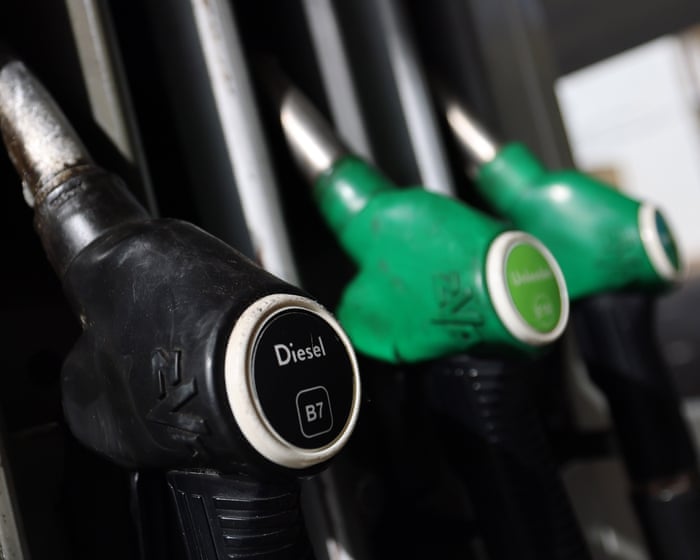
- Diesel prices in the UK have reached a record high, partly because of limited supply from the region.
Read the Full Article
This is a fact-based summary from The Actual News. Click below to read the complete story directly from the original source.