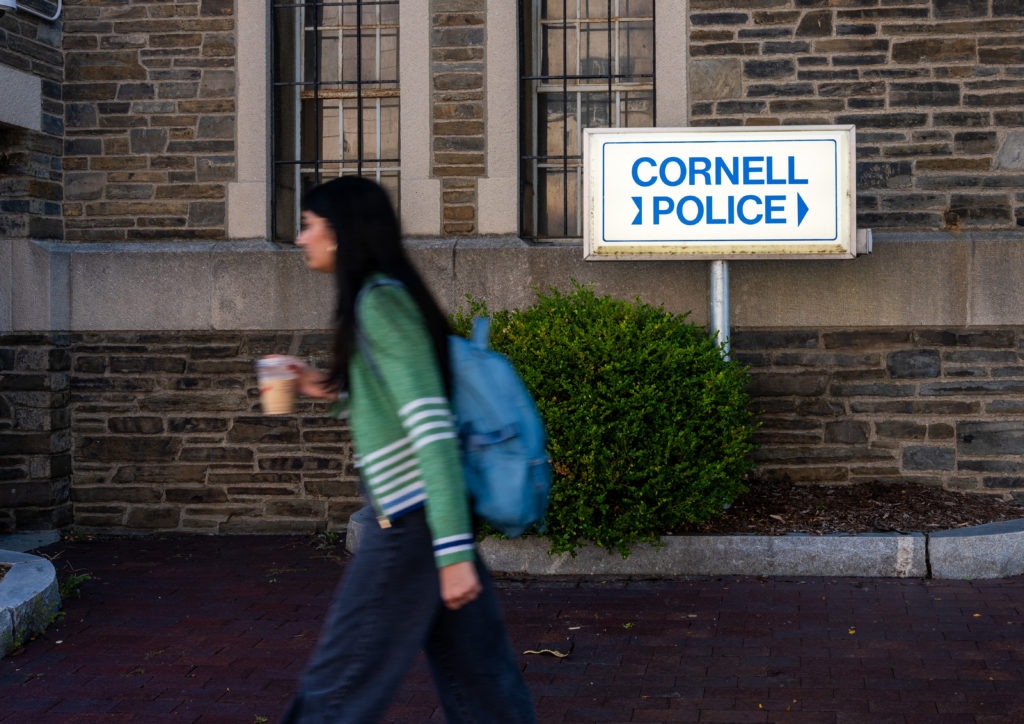
State laws on intoxication and consent get new scrutiny after Cornell rape allegations
Summary
A woman's report of a sexual assault at a Cornell University fraternity has led to renewed calls to change New York state law on consent and intoxication. Current law only allows rape charges when a victim is unconscious, drugged without consent, or physically forced, making it hard to prosecute cases involving voluntary intoxication that impairs consent.Key Facts
- New York law requires force, clear refusal, or being unconscious/drugged without consent for rape charges.
- This creates a "voluntary intoxication loophole" where cases involving impaired but not unconscious victims are harder to prosecute.
- A woman alleges she was sexually assaulted in 2024 after being pressured into using drugs and alcohol at a Cornell fraternity.
- Tompkins County DA initially did not file charges due to the limits of the law and the victim's statement.
- The DA has reopened the investigation and may present it to a grand jury.
- Advocates and some lawmakers want to change the law to better protect victims who are incapacitated by voluntary intoxication.
- New York is one of 19 states with similar laws, but some other states are beginning to update their rules about intoxication and consent.
- Legislative efforts in New York to change the law have stalled despite support from some politicians and prosecutors.
Read the Full Article
This is a fact-based summary from The Actual News. Click below to read the complete story directly from the original source.