Detecting deepfakes, in a world where even reality is suspect
Summary
A Tomahawk missile struck an Iranian school in February, killing over 150 people. Experts used scientific methods to verify that Iran’s video showing a U.S. missile was real. The article discusses how artificial intelligence (AI) can create fake videos, making it hard to know what is true or false.Key Facts
- Over 150 people, mostly children, died in the missile strike on an Iranian elementary school.
- President Trump said it was under investigation whether the missile came from the U.S. or another country.
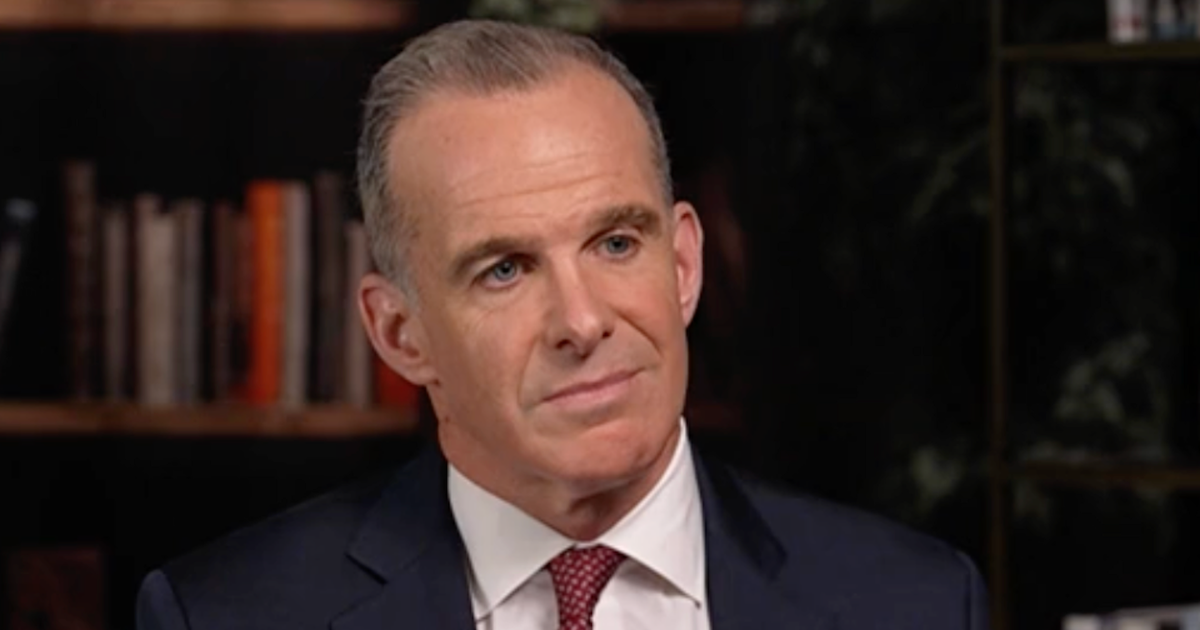
- Hany Farid, an expert in digital video forensics, helped check the video Iran released for authenticity.
- Farid used scientific details like sound speed, light speed, and missile size to confirm the video was real.
- AI can create or alter videos to mislead people, such as falsely adding a gun in a victim’s hand in a police shooting video.
- Half of the widely viewed online content may be fake or altered by AI.
- AI is used in harmful ways, including fake news, child abuse material, and state spying.
- Experts say courts need clear scientific ways to explain if a video is real or fake before accepting it as evidence.
Read the Full Article
This is a fact-based summary from The Actual News. Click below to read the complete story directly from the original source.