Bosnia votes as pro-Russian politician looms large and ethnic tensions simmer
Summary
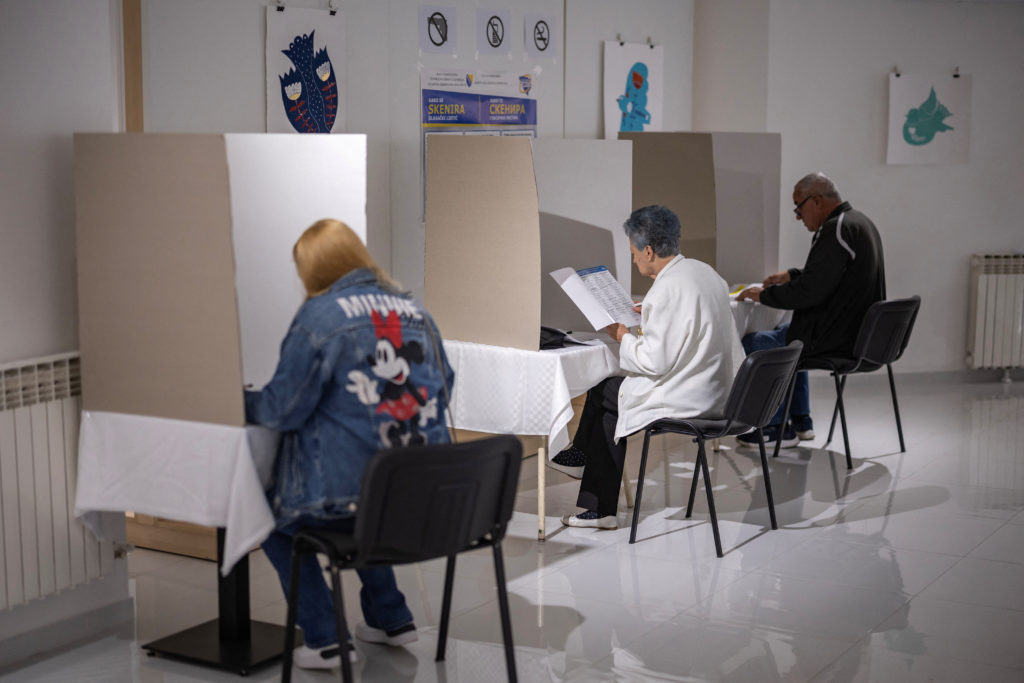
Bosnia held a general election where voters chose presidency members and lawmakers amid ongoing ethnic tensions rooted in a past war. A pro-Russian separatist leader, Milorad Dodik, influenced the campaign despite being banned from office, raising concerns about the country's stability.Key Facts
- About 3.4 million people in Bosnia voted for a multi-ethnic presidency, parliament members, and regional leaders.
- Bosnia’s peace agreement from 1995 created a complex government to manage ethnic divisions among Bosniaks (Muslim), Serbs (Orthodox), and Croats (Catholic).
- New digital voting technology caused delays at some polling stations, leading to longer voting hours.
- Voter turnout by mid-afternoon was lower than in the previous election (27% vs. 35%).
- Milorad Dodik, a Serb nationalist and strong supporter of Russia, was banned from holding office but remains influential.
- Dodik recently met Russian President Vladimir Putin and his party is expected to win in Republika Srpska, the Serb-majority region.
- Some politicians, including Dodik, have stirred old ethnic tensions which worry the international community about possible future conflicts.
- Bosnia is one of Europe’s poorest countries and is trying to join the European Union, but political division has slowed progress.
Read the Full Article
This is a fact-based summary from The Actual News. Click below to read the complete story directly from the original source.