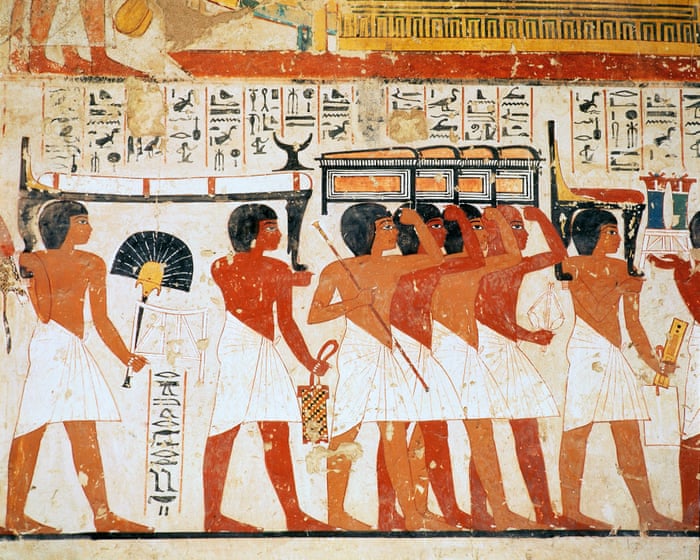
Skull fractures suggest servants of Egypt’s ancient kings were sacrificed
Summary
Researchers found signs of head injuries on ancient skulls from an Egyptian royal cemetery, suggesting some servants were sacrificed when their king died. This study looked at skulls from graves near the tombs of early Egyptian kings dating back to around 3,000 BC.Key Facts
- The study focused on graves near the tombs of First Dynasty Egyptian rulers at Umm el-Qa’ab, near Abydos.
- These graves belonged to people serving the royal household, like ladies, seal-bearers, inspectors, and craftsmen.
- Researchers examined 46 skulls and found 18 with possible deadly injuries, including fractures and a chop wound.
- Earlier excavations in the 1920s did not find clear evidence of trauma and suggested servants might have been buried alive or died naturally.
- The injuries were likely caused by flat, wide tools made of wood or antler, not by weapons like maces.
- Retainer sacrifices appear to have stopped by the start of Egypt’s Second Dynasty.
- Some researchers think servants might have had mixed feelings about being sacrificed, possibly hoping for benefits in an afterlife.
- Similar practices of human sacrifice have occurred in other ancient cultures.
Read the Full Article
This is a fact-based summary from The Actual News. Click below to read the complete story directly from the original source.