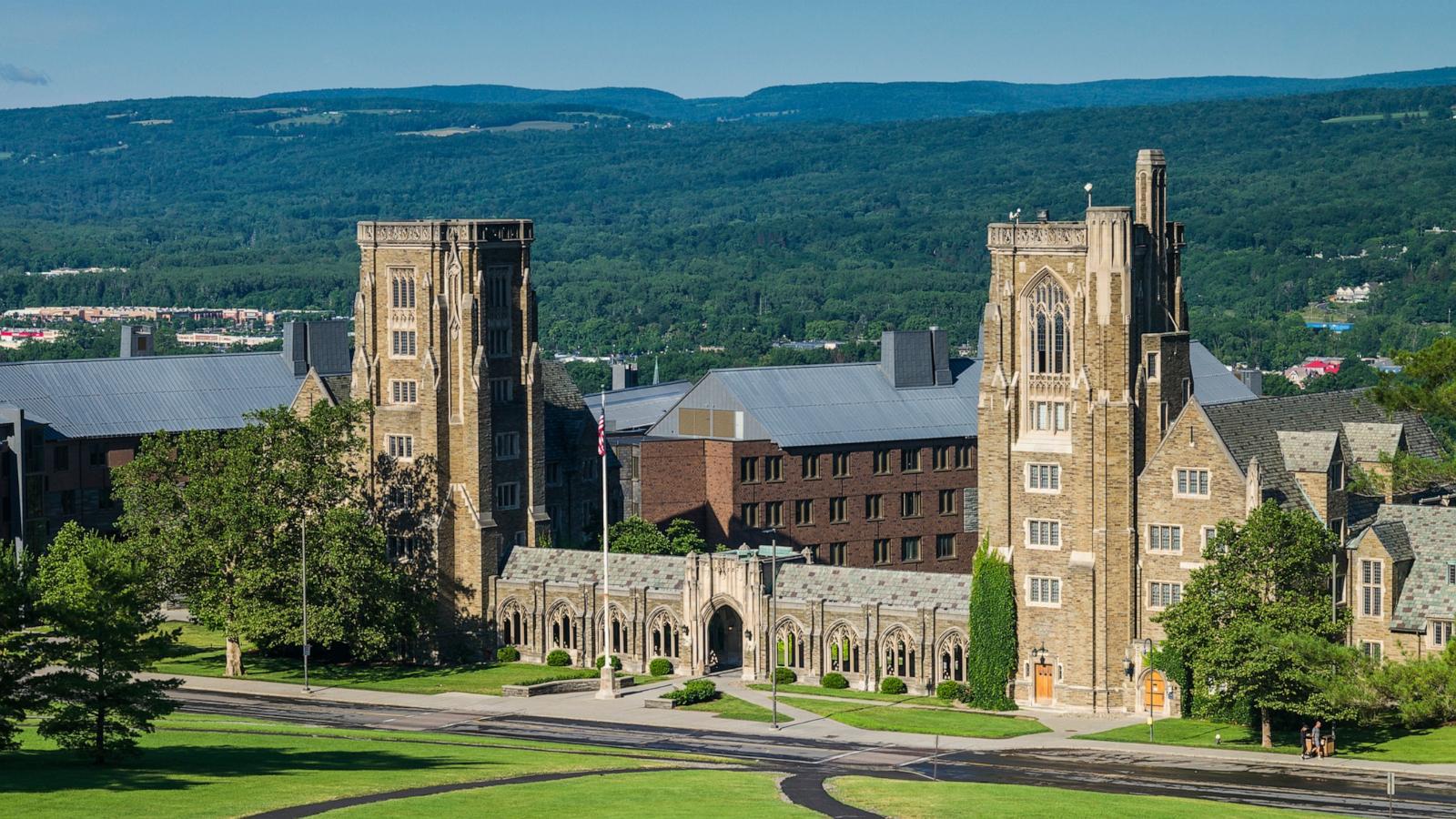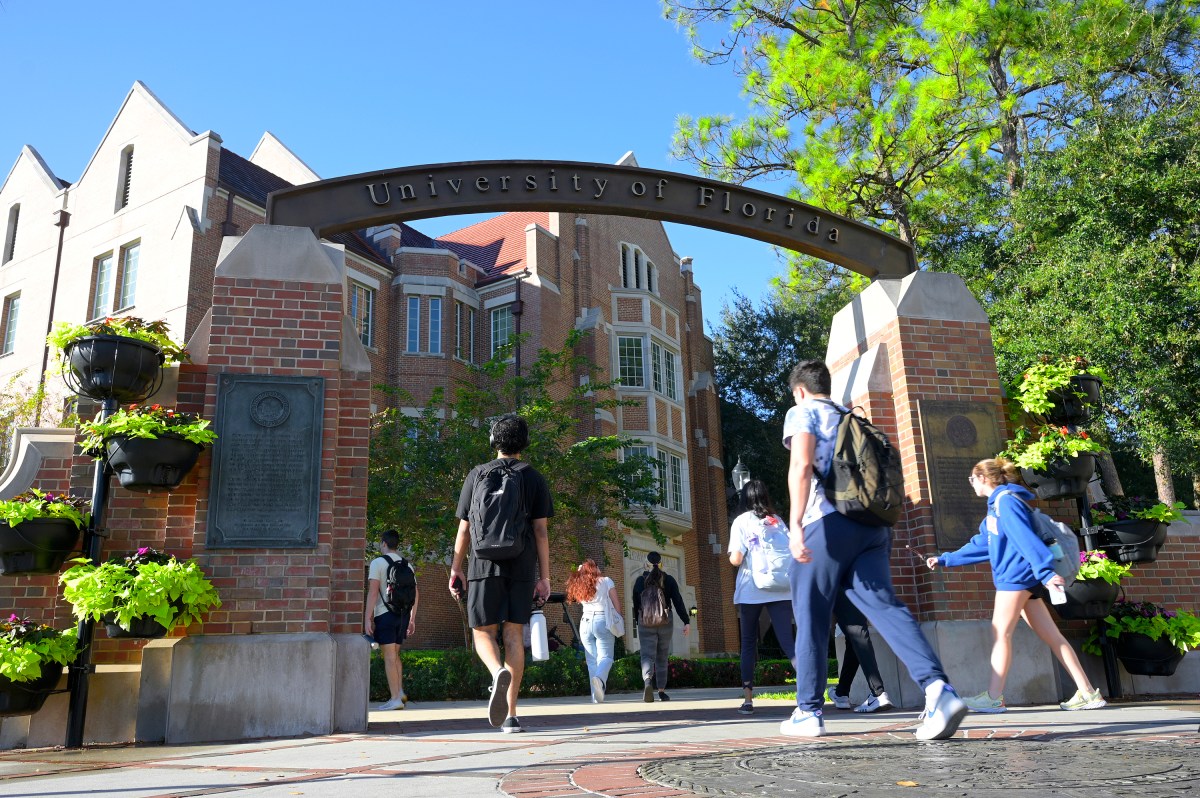
The Slow Death of College
Summary
Many Americans still believe in going to college to improve their job chances and life skills, but the cost of college has gone up a lot. In 2026, students face high expenses for tuition, housing, and books, and some graduates worry if their degrees will pay off financially. On average, college degree holders earn more and have lower unemployment than high school graduates, but rising living costs and student debt create challenges.Key Facts
- The total yearly cost for a public college student in 2025-26 is about $31,000; for private colleges, it is about $65,000.
- College tuition has risen over 100% since the mid-1990s, even when adjusted for inflation.
- An 18-year-old attending college misses out on four years of earnings and work experience.
- In 2025, high school graduates earned a median of $966 per week; those with associate degrees earned $1,135, and bachelor's degree holders earned $1,578.
- Unemployment in 2026 was 2.8% for bachelor's degree holders, compared to 4.3% for high school graduates.
- Recent college graduates faced a 5.6% unemployment rate in mid-2026 and also struggled with underemployment (working jobs below their skill level).
- The rising cost of living reduces the financial benefits of a college degree, especially in the first years after graduation.
- Families must weigh the costs of tuition, living expenses, loan interest, and lost income against the potential benefits of a college degree.
Read the Full Article
This is a fact-based summary from The Actual News. Click below to read the complete story directly from the original source.