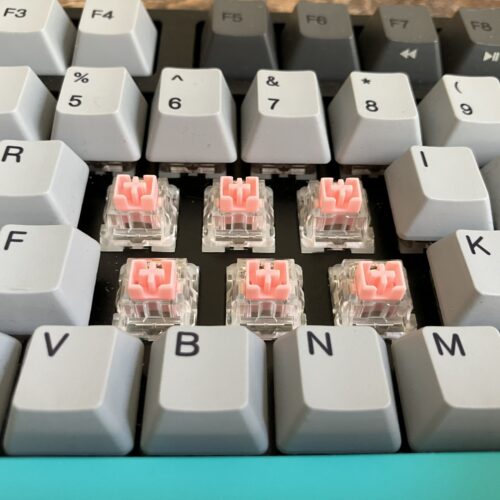
Explaining Hall-effect, TMR, and other new types of "mechanical" switches
Summary
Mechanical keyboards are changing with new types of switches called "contactless" switches, like optical and Hall-effect switches, which work differently from traditional mechanical switches. These newer switches promise longer life and some performance benefits, especially for gamers, but the differences in everyday use are often small.Key Facts
- Traditional mechanical switches use two metal parts that touch to send a signal when a key is pressed.
- Contactless switches do not rely on metal parts touching but use other methods (like light or magnets) to detect key presses.
- Contactless switches can last longer because they avoid wear from metal parts rubbing or getting rusty.
- These switches need special circuit boards (PCBs), which are less common than those for regular mechanical switches.
- Hot-swappable PCBs, which allow easy switch replacement, are harder to find for contactless switches.
- Newer traditional switches, like some Cherry MX2A models, can last as long as contactless ones, with up to 100 million key presses.
- Some people say contactless switches feel smoother, but other parts inside still cause friction.
- Contactless switches often cost more than regular mechanical switches.
Read the Full Article
This is a fact-based summary from The Actual News. Click below to read the complete story directly from the original source.