The Iran war is hitting America's school buses — and kids are paying the price
Summary
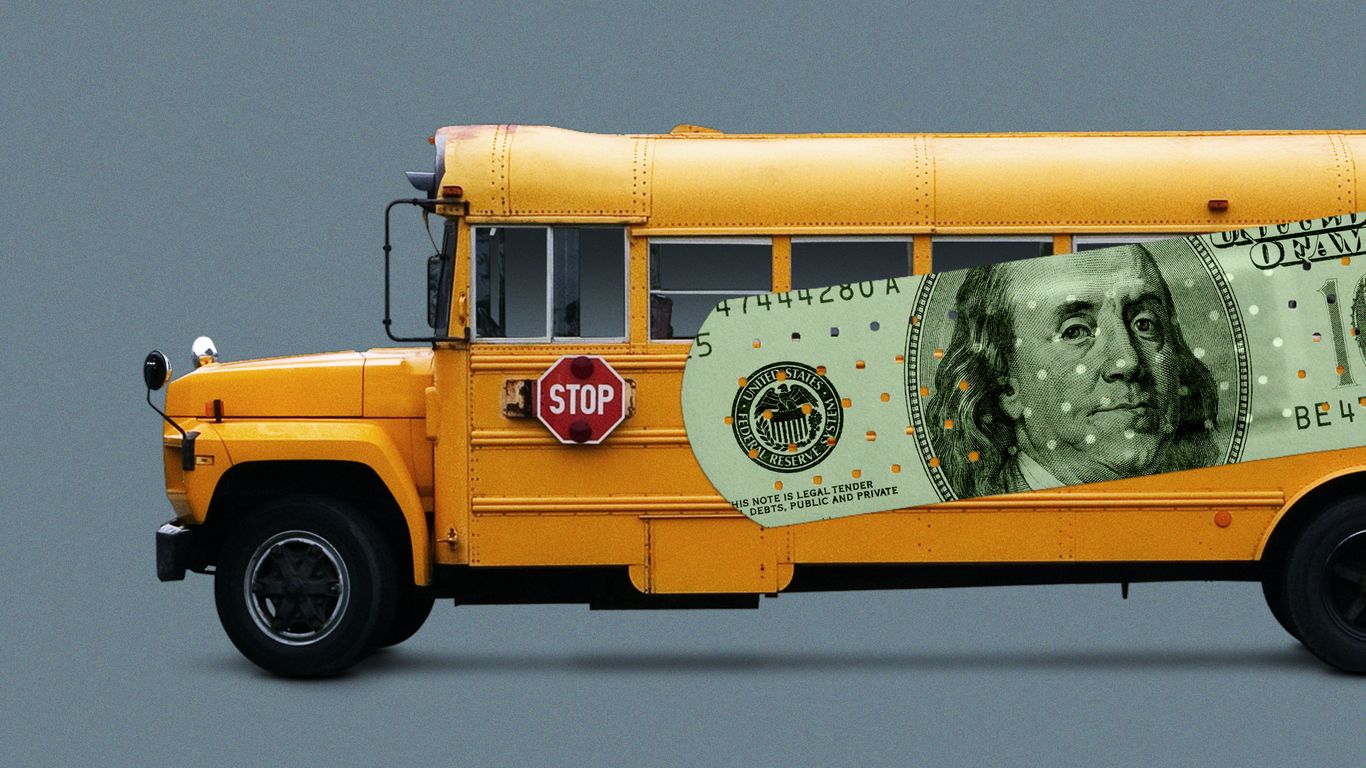
Many U.S. school districts are facing higher costs for diesel fuel, partly due to impacts from the Iran War, and a shortage of bus drivers. These problems are causing delays, route changes, and less school transportation, which can affect students’ attendance and access to school services.Key Facts
- Diesel prices are rising as a result of global conflicts like the Iran War, increasing fuel costs for school buses.
- School districts are also struggling to find enough qualified bus drivers because of low pay, long hours, and competition from delivery companies.
- To save money, many districts are cutting bus routes, limiting trips, enforcing anti-idling rules, or moving bus stops farther from students’ homes.
- These changes can cause students to arrive late to school, miss breakfast programs, or rely more on parents for rides.
- Rural districts face extra challenges because students live farther from schools and private companies pay better for licensed drivers.
- Electric bus programs funded by the federal government have slowed down, due to issues like difficult roads and lack of trained mechanics.
- Districts are working to find solutions to continue providing transportation despite these challenges.
- Cherry Creek Public Schools in Colorado increased its fuel budget by up to $800,000 to cover costs but has not cut services so far.
Read the Full Article
This is a fact-based summary from The Actual News. Click below to read the complete story directly from the original source.