Scientists Served Processed and Unprocessed Meals—Then Compared the Effects
Summary
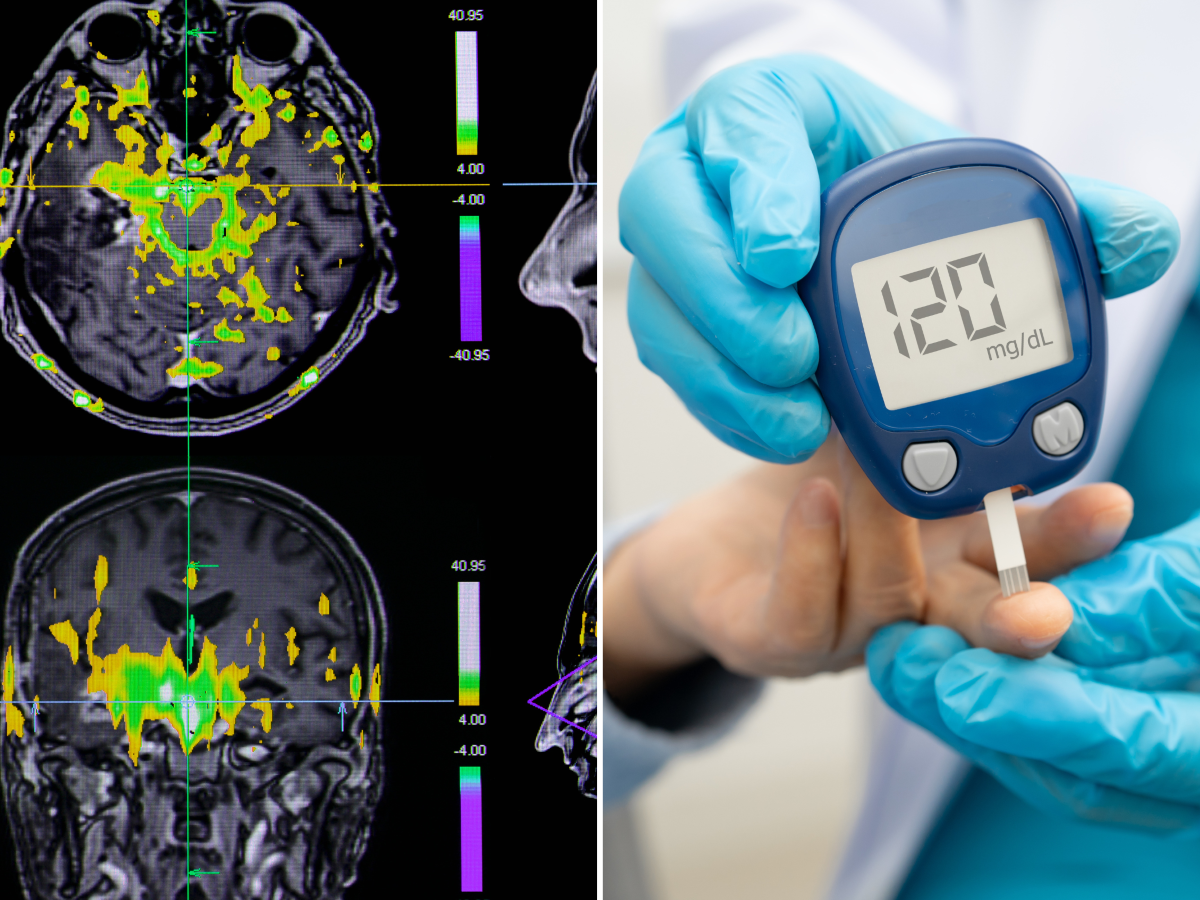
Scientists at Virginia Tech studied how processed and unprocessed meals affect the body and brain. They found that highly processed meals cause higher and longer-lasting blood sugar and insulin levels and activate brain areas differently compared to minimally processed meals.Key Facts
- The study involved about 60 healthy adults aged 18 to 45.
- Participants ate two types of meals: one highly processed and one minimally processed, with almost the same nutritional content.
- After eating, those who had the highly processed meal showed higher insulin levels and blood sugar stayed elevated longer.
- Higher insulin levels could be linked to insulin resistance, a condition related to long-term health problems.
- Brain scans showed different activity in reward and motivation areas when participants saw images of ultraprocessed versus minimally processed foods.
- Participants assessed the value of foods by how much they were willing to pay, which matched brain activity patterns.
- Researchers caution that more work is needed to understand if these short-term effects cause long-term health issues.
- The study was published in the journal Nature Metabolism on October 5.
Read the Full Article
This is a fact-based summary from The Actual News. Click below to read the complete story directly from the original source.