Controlling the brain with light earns a physiology Nobel
Summary
The 2024 Nobel Prize in Physiology or Medicine was awarded to Karl Deisseroth, Peter Hegemann, and Georg Nagel for developing optogenetics. This technique uses light to control nerve cells that are marked by specific genes, allowing scientists to study brain function more precisely.Key Facts
- Scientists have long tried to understand what different brain cells do by studying their genes and damaged brains.
- Traditional methods of studying neurons involve deleting them, which can cause the brain to adapt and affect other cells.
- Optogenetics allows researchers to activate or deactivate nerve cells using light without damaging the brain.
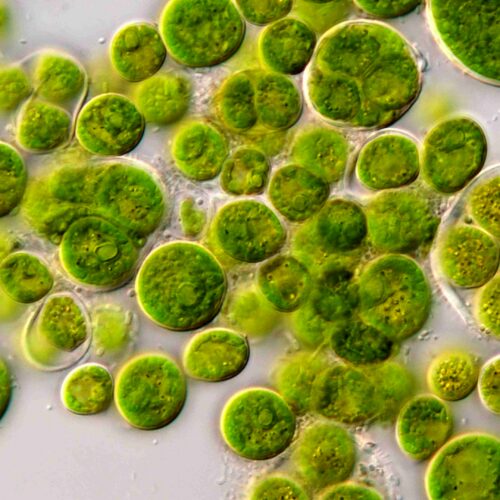
- This technique is based on discoveries from single-celled algae called Chlamydomonas, which respond to light by opening ion channels.
- Ion channels let charged atoms pass through a nerve cell's membrane, generating nerve impulses.
- Previous methods to control nerve cells needed multiple genes, special chemicals, or high-powered lasers, which were less effective or damaging.
- Hegemann and Nagel identified and studied the genes responsible for light-sensitive ion channels in the algae.
- Deisseroth helped develop optogenetics so it could be used in complex animals, including mammals.
Read the Full Article
This is a fact-based summary from The Actual News. Click below to read the complete story directly from the original source.