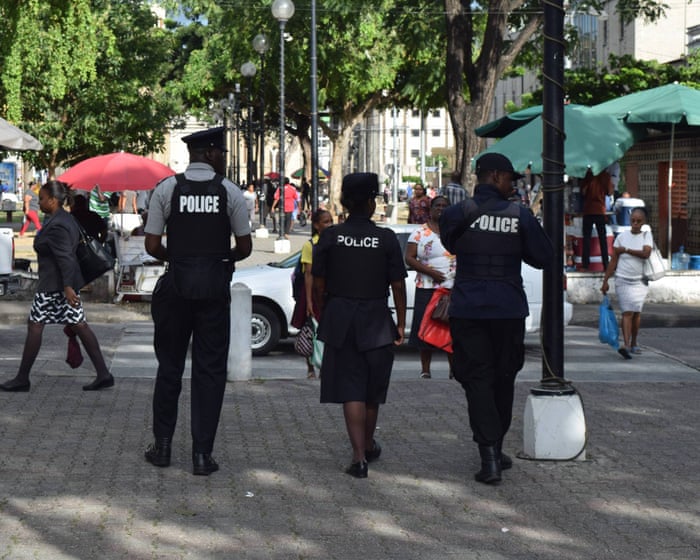
Outcry in Trinidad and Tobago after passing of police bill that could threaten press freedom
Summary
Trinidad and Tobago recently passed the Special Operations Bill 2026 to help tackle high crime rates by expanding police powers for search and seizure. Journalists are concerned the bill does not specifically protect their work materials, such as phones and notebooks, which they say threatens press freedom and the confidentiality of their sources.Key Facts
- The Special Operations Bill 2026 was passed on 24 September to address crime and murder rates in Trinidad and Tobago.
- The bill increases police powers to conduct searches and seizures, bypassing normal constitutional rights during a state of emergency.
- Journalists want the bill amended to explicitly protect their devices and confidential information from police seizure.
- Currently, clause 15 protects “tools of a lawful trade or business” but does not specifically mention journalism.
- Trinidad and Tobago’s press freedom ranking fell from 19th to 32nd in the 2025 Reporters Without Borders index.
- Media Association of Trinidad and Tobago (MATT) says the bill lacks proper safeguards for journalistic sources and confidential material.
- Independent journalists warn that increased police powers combined with limited government access create risks for investigative journalism.
- Between 2020 and May 2026, judges approved 314 warrants for phone interception in the country, raising surveillance concerns.
Read the Full Article
This is a fact-based summary from The Actual News. Click below to read the complete story directly from the original source.