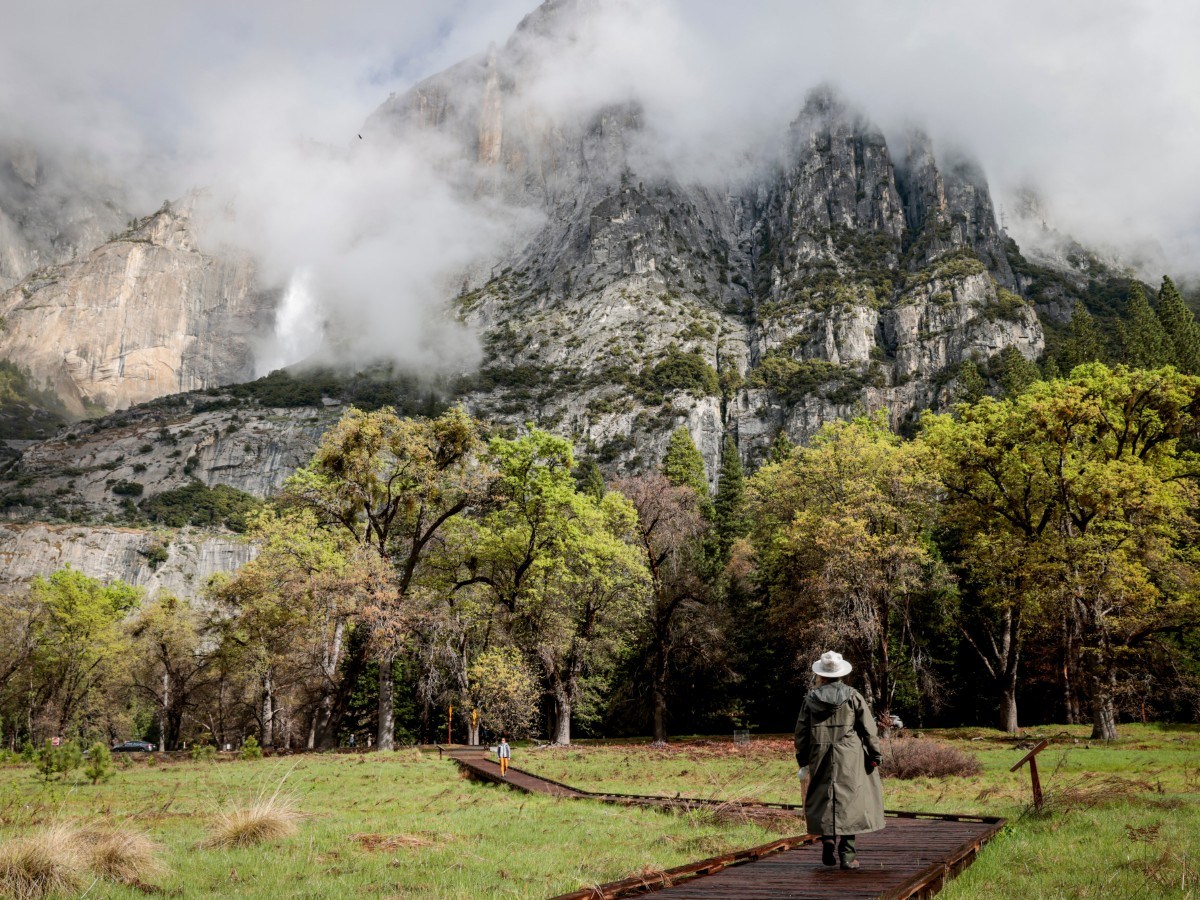
Scientists planted 40,000 Yosemite seedlings—years later, one issue remains
Summary
Scientists planted 40,000 native sedge seedlings in Yosemite’s Tuolumne Meadows to help restore the land and improve soil health after damage caused by heavy sheep grazing in the late 1800s. Although the soil is showing signs of recovery, the meadow is still losing carbon, and full restoration might take 25 to 30 years.Key Facts
- Tuolumne Meadows in Yosemite National Park is declining due to loss of native plants caused by sheep grazing in the 1800s.
- Loss of native plants has degraded soil quality and caused the meadow to release carbon instead of storing it.
- Soil carbon is important because it helps hold water and supports plant growth.
- Researchers planted 40,000 sedge seedlings to help rebuild soil organic matter and improve soil health.
- Three years after planting, soil health is improving but the meadow continues to lose soil carbon.
- Experts estimate the meadow will need 25 to 30 years of restoration to recover fully.
- Healthy meadows help reduce flooding, improve water quality, support wildlife, and stabilize climate by storing carbon.
- The study of this restoration effort was published in the Journal of Geophysical Research: Biogeosciences on October 6.
Read the Full Article
This is a fact-based summary from The Actual News. Click below to read the complete story directly from the original source.