WHO Childhood Obesity Guide Clashes With RFK Jr. Recommendation
Summary
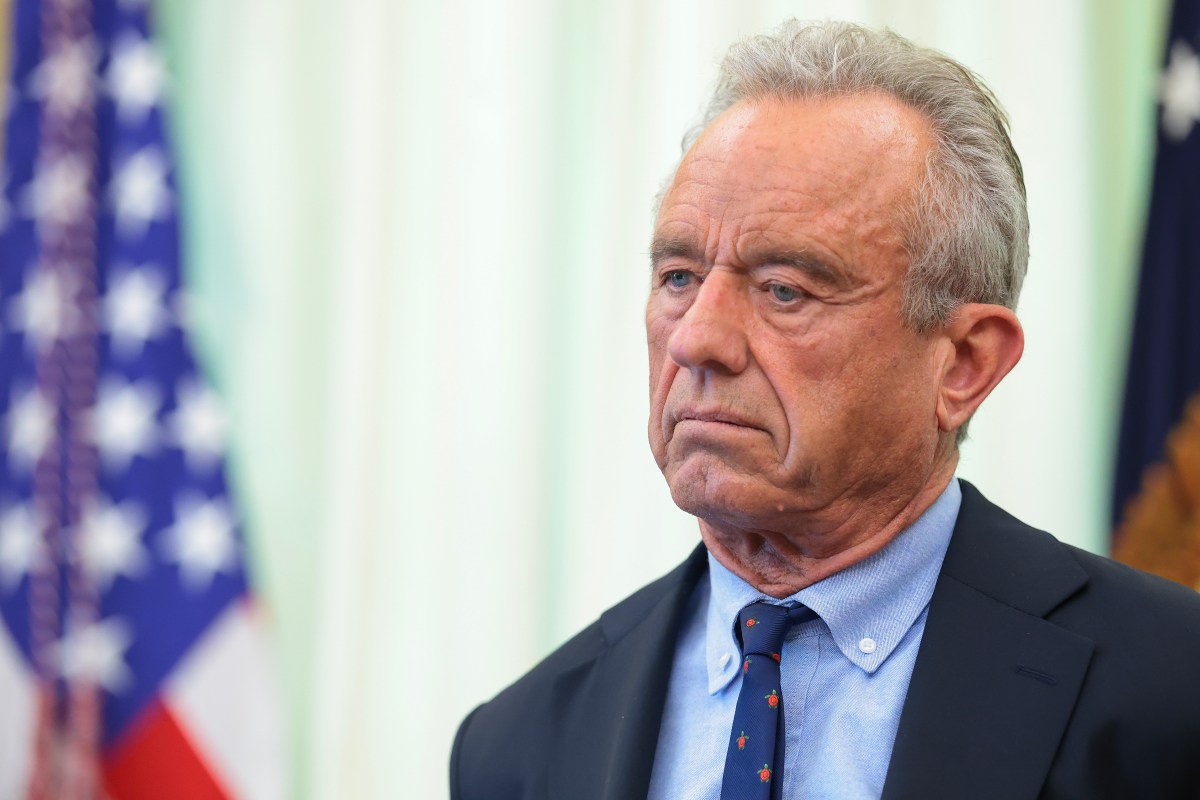
The World Health Organization (WHO) issued new advice to fight childhood obesity, which differs in some ways from U.S. Health and Human Services (HHS) Secretary Robert F. Kennedy Jr.’s recommendations. While Kennedy encourages more protein in children’s diets, the WHO cautions that eating too much protein might increase weight and blood pressure, though the evidence is weak.Key Facts
- Childhood obesity worldwide has increased four times since 1990.
- Secretary Robert F. Kennedy Jr. focuses on diet changes, especially boosting protein intake for kids.
- Kennedy recommends 1.2 to 1.6 grams of protein per kilogram of a child’s body weight daily.
- WHO’s new guidelines do not specify protein amounts and say high protein’s effect on weight is uncertain.
- The WHO warns high protein might slightly raise body weight, BMI, waist size, and blood pressure but with very low-quality evidence.
- Both WHO and Kennedy agree on cutting processed foods, promoting school meals, supporting low-income families, and encouraging physical activity.
- Increased screen time during the COVID-19 pandemic is linked to higher obesity rates in children.
- Kennedy also supports natural food dyes and whole milk, which the WHO guidance does not address.
Read the Full Article
This is a fact-based summary from The Actual News. Click below to read the complete story directly from the original source.