‘Catastrophic wildfire loop’ created after colonisation left parts of Australia more at risk from bushfires, study finds
Summary
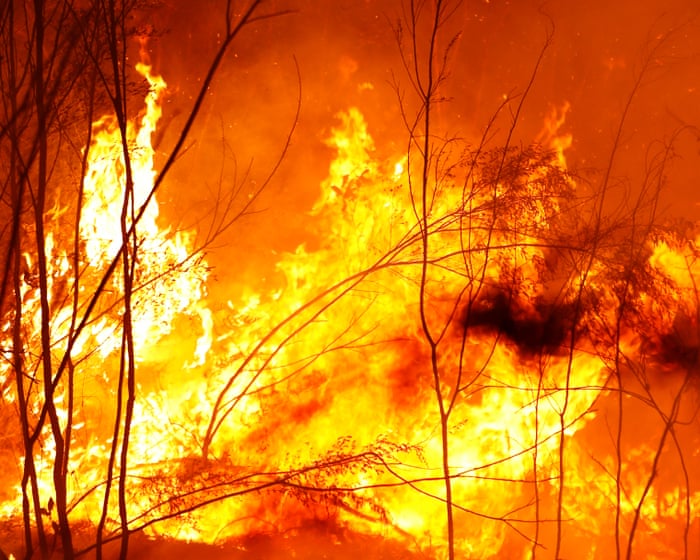
A study found that changes in land use after colonisation made parts of south-east Australia more likely to have intense bushfires. The research showed that removing Indigenous people and their traditional low-intensity fire practices caused denser forests, which led to hotter and more frequent fires.Key Facts
- Researchers studied 1,000 years of vegetation and fire history near Lake Purghagoolah in Victoria.
- They used pollen and charcoal found in sediment to learn about past fires and plant life.
- Before colonisation, Indigenous people managed the land with controlled, low-heat fires called cultural burning.
- After colonisation, dense forests replaced open woodlands, increasing fire intensity and frequency.
- Loss of Indigenous fire practices and removal of traditional owners led to more severe bushfires.
- Cultural burning uses small, low-heat fires at the right time and place to reduce fire risk.
- Experts say the study shows the importance of including Indigenous knowledge in modern fire management.
- The research was published in the journal Nature and involved collaboration with the Gunaikurnai Land and Waters Aboriginal Corporation.
Read the Full Article
This is a fact-based summary from The Actual News. Click below to read the complete story directly from the original source.