Revealed: the ‘black box’ wastewater trade that rakes in millions for UK utility companies
Summary
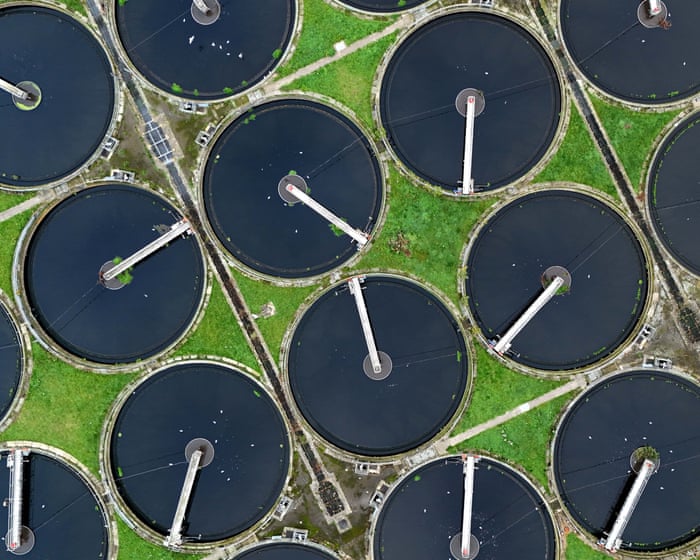
UK water companies earned over £340 million last year by accepting industrial and commercial wastewater to treat at sewage works. Many sewage plants use treatment methods that do not remove harmful chemicals, so pollutants often go into rivers, seas, or farmland. Currently, water companies regulate this wastewater trade without independent oversight.Key Facts
- UK water companies earned more than £340 million in revenue last year from industrial and commercial wastewater.
- About 608 billion litres of industrial wastewater were sent to sewage treatment works from various sites like power stations and hospitals.
- Water companies issue permits called “trade-effluent consents” for businesses to send wastewater but regulate these without an independent body.
- Most sewage works use treatment that removes organic material but not many industrial chemicals, such as solvents, flame retardants, and heavy metals.
- Pollutants left in treated water flow into rivers, seas, and farmland via sludge used as fertilizer.
- United Utilities earned the most revenue from industrial wastewater at £61.6 million, and Thames Water received the highest volume of waste at 113 billion litres.
- Industrial and commercial wastewater volumes and related revenues have risen sharply across UK water companies in recent years.
- Experts say the permit system is outdated and lacks full understanding of how much toxic waste enters waterworks annually.
Read the Full Article
This is a fact-based summary from The Actual News. Click below to read the complete story directly from the original source.