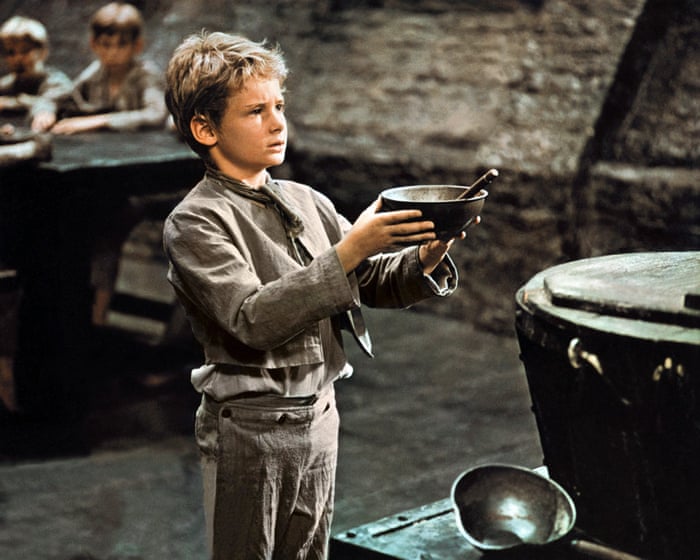
Please, sir, can I have a walk? Dickens biographer finds likely inspiration for Oliver Twist
Summary
A historian discovered that a young woman named Alice Shepherd, punished harshly in a Victorian workhouse, may have inspired Charles Dickens’s story of Oliver Twist. Alice was put in solitary confinement and starved for asking to go for a walk, similar to Oliver’s punishment for requesting more food.Key Facts
- Alice Shepherd was a workhouse pauper in Hendon, London, in 1836.
- She was punished by solitary confinement and a bread-and-water diet after asking permission to walk.
- Dickens’s novel Oliver Twist features a boy punished similarly for asking for more food.
- Dickens wrote Oliver Twist between 1837 and 1839 and was aware of workhouse conditions.
- The historian Theresa Musgrove found newspaper reports comparing Alice’s punishment to Oliver’s.
- A magistrate who punished Alice was harsh despite her being very ill with consumption (tuberculosis).
- Oliver Twist’s story began shortly after Alice’s punishment, suggesting a possible connection.
- Dickens may have used real harsh workhouse conditions to inspire his novel’s scenes.
Read the Full Article
This is a fact-based summary from The Actual News. Click below to read the complete story directly from the original source.


