Study explores links between 19th-century Manchester workers and enslaved Africans in Caribbean
Summary
A study by Global Threads has explored connections between 19th-century workers in Manchester and enslaved Africans in the Caribbean. It shows how business and family wealth of some Manchester leaders, involved in the Peterloo massacre, were linked to profits from slavery and colonialism.Key Facts
- The Peterloo massacre in 1819 involved peaceful protesters who were attacked by a local militia in Manchester.
- Global Threads research connects Manchester’s cotton workers’ struggles with the exploitation of enslaved Africans in the Caribbean.
- Hugh Hornby Birley, the leader of the militia at Peterloo, came from a family with wealth tied to the transatlantic slave trade.
- Sir George Philips, a funder of the Manchester Guardian, owned a plantation in Jamaica where enslaved Africans worked.
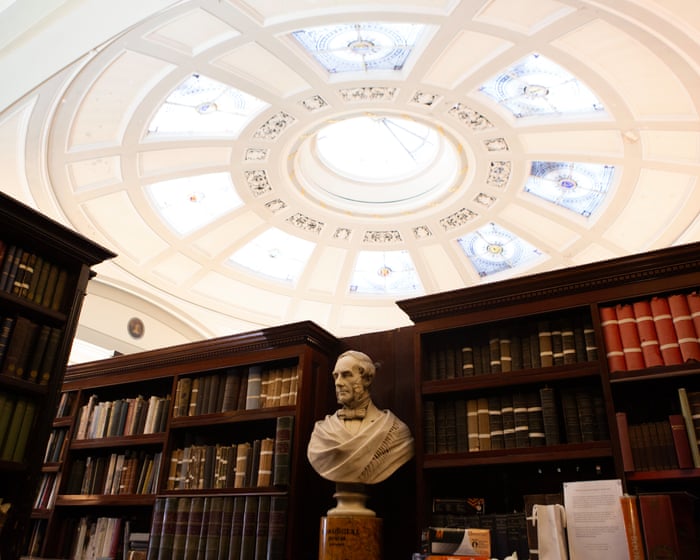
- Both Birley and Philips were part of Manchester’s business elite and members of the Portico Library, a center for local elites connected to global capitalism.
- Robert Wedderburn, a Black abolitionist preacher in London, spoke out against the massacre and linked the oppression of workers and enslaved Africans.
- At the time, only about 10% of men in Britain had the right to vote, highlighting major political inequality.
- The study emphasizes that the power held by Manchester’s elites was deeply connected to slavery and colonialism abroad.
Read the Full Article
This is a fact-based summary from The Actual News. Click below to read the complete story directly from the original source.