A super el Niño threatens our food system. Here’s how farms can prepare | Liz Carlisle
Summary
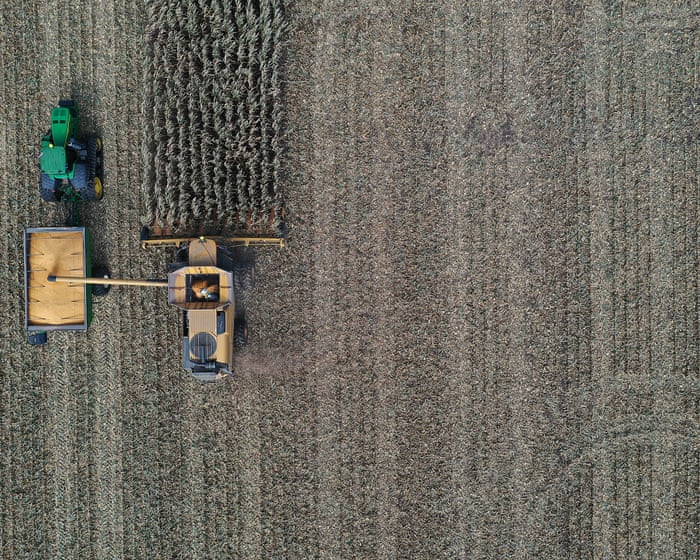
Scientists warn that this year’s El Niño could be one of the strongest, threatening crops and food supplies, especially outside the U.S. Some farms manage better by growing plants year-round, which helps soil hold more water and survive droughts and heavy rains. Practices like planting cover crops or perennials help farms absorb water, reduce flooding, and protect yields.Key Facts
- El Niño this year may be the strongest ever, causing bad weather for farming in many regions.
- The U.S. will face less severe effects than Central and South America, the Caribbean, and southern Africa.
- Farms with plants growing all year (cover crops or perennials) keep soil moist and more resilient.
- Having roots in the ground year-round improves water absorption by about 16% during droughts.
- Cover crops and perennials can soak up heavy rains better, reducing water runoff and flooding.
- If one third of Iowa’s farmland used these methods, flood risks could drop by 20%.
- Farmers use methods like planting trees, bushes, or prairie strips among crops for better soil health.
- Current U.S. crop insurance favors traditional crops like corn and soybeans, making it harder for farmers growing cover crops or perennials to get financial support.
Read the Full Article
This is a fact-based summary from The Actual News. Click below to read the complete story directly from the original source.