Ancient human fingerprint suggests Neanderthals made art
Summary
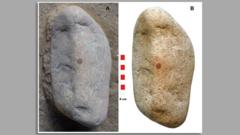
Scientists in Spain found a rock with a red dot that resembles a human face, believed to be made by a Neanderthal around 43,000 years ago. This discovery in Segovia, Spain, suggests that Neanderthals could create art and think symbolically. The researchers identified a human fingerprint on the rock, which is the oldest full human fingerprint found, contributing to the debate about Neanderthals’ artistic abilities.Key Facts
- Scientists discovered a rock with a red dot in the San Lázaro rock shelter in Segovia, Spain.
- The rock dates back to about 43,000 years ago and is believed to be the work of a Neanderthal.
- Researchers found a human fingerprint on the rock, identified as likely belonging to an adult male.
- The rock's red pigment was not natural to the area, indicating it was intentionally brought there.
- This is the oldest portable object painted in Europe by Neanderthals, according to the scientists.
- The red dot on the rock is seen as evidence of Neanderthals' ability to think symbolically.
- The find contributes to ongoing discussions about the artistic capabilities of Neanderthals.
- The research was published in the journal Archaeological and Anthropological Sciences.
Read the Full Article
This is a fact-based summary from The Actual News. Click below to read the complete story directly from the original source.