Huntington's disease successfully treated for first time
Summary
Doctors have successfully treated Huntington's disease for the first time, slowing its progression by 75%. The new treatment, a type of gene therapy, is performed during a long brain surgery and aims to give patients more years of quality life.Key Facts
- Huntington's disease affects brain cells and acts like a mix of dementia, Parkinson's, and motor neurone disease.
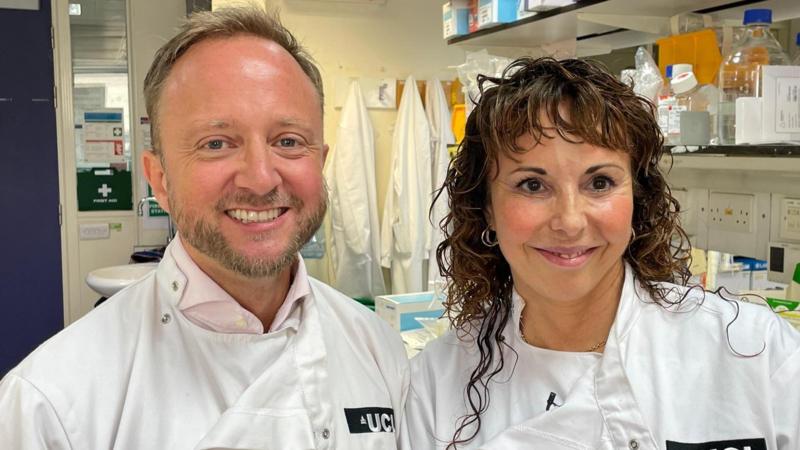
- The new gene therapy treatment was tested in the UK, led by Professors Ed Wild and Sarah Tabrizi.
- The treatment involves a 12 to 18-hour brain surgery using precise techniques.
- Patients who received the treatment saw a 75% reduction in the disease's progression rate.
- The therapy helps reduce the toxic protein levels that damage brain cells in Huntington's disease.
- The treatment could allow patients to live longer with better quality of life but is expected to be expensive.
- Huntington's disease is genetic; if a parent has the gene, there’s a 50% chance their child will too.
- The goal is to prevent symptoms from appearing by using a virus to deliver therapeutic DNA into the brain.
Read the Full Article
This is a fact-based summary from The Actual News. Click below to read the complete story directly from the original source.