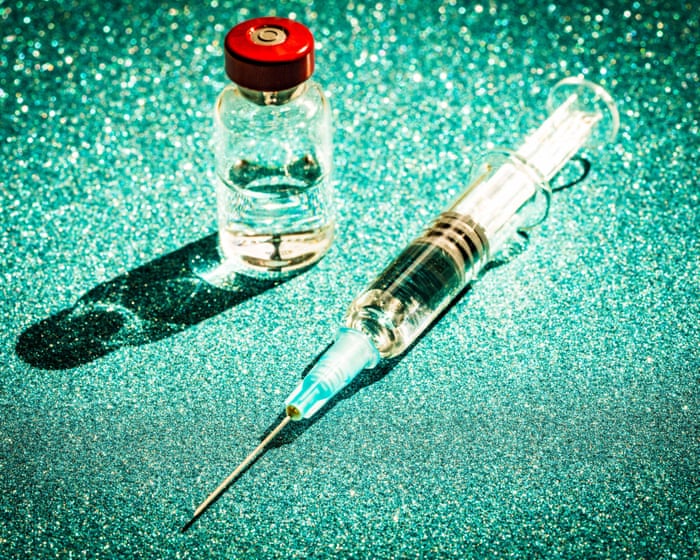
Guinea-Bissau denies it has approved controversial vaccine trial in newborns
Summary
Guinea-Bissau's health ministry said it did not approve a planned vaccine study in newborns that would be funded by the US government and private groups. The study aims to track general health outcomes after vaccination but has faced criticism and ethical concerns from experts and local authorities.Key Facts
- Guinea-Bissau denied approving a hepatitis B vaccine study in newborn babies.
- The study would not test vaccine safety or effectiveness but focus on other health issues like mortality and brain development.
- US government and private partners were expected to fund the study.
- Danish researchers involved said the study had local approval, but Guinea-Bissau officials disagreed.
- The study has been criticized as unethical and potentially harmful by experts and human rights groups.
- Guinea-Bissau’s health ministry held a meeting with local health organizations to clarify the issue.
- It costs about $13,200 a year to provide all newborns in Guinea-Bissau with hepatitis B vaccinations.
- The US Department of Health and Human Services states the study has not been approved.
Read the Full Article
This is a fact-based summary from The Actual News. Click below to read the complete story directly from the original source.