Summary
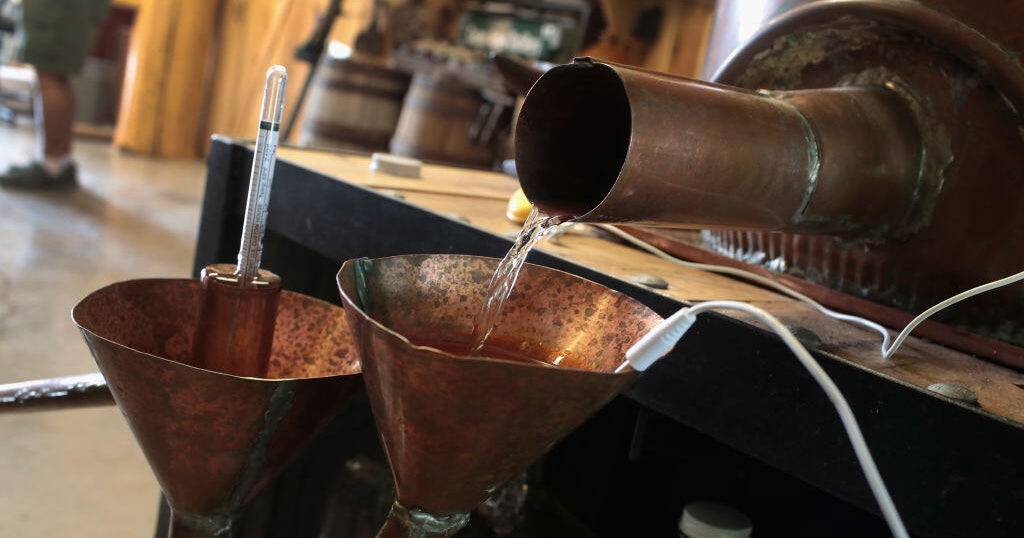
The Supreme Court will decide if a nearly 160-year-old federal law banning distilling liquor at home is constitutional. The law, made to stop tax evasion on alcohol, forbids making spirits at home and sets penalties for those who break it.Key Facts
- The law banning home distilling was made in 1868 to prevent people from avoiding taxes on alcohol.
- It is illegal to make distilled spirits at home, and violators can face fines, up to five years in prison, and loss of property.
- The tax rate on spirits in the 1800s was very high, which made some commercial distillers avoid paying by bribing officials.
- The Hobby Distillers Association challenged the law, saying Congress went beyond its powers by banning home distilling.
- A federal court found the law unconstitutional, and the 5th Circuit Court of Appeals mostly agreed.
- The courts said the ban criminalizes people who might not even be subject to the tax and does not directly tax the product.
- The government argues the ban is needed to stop hidden distilling and ensure proper tax collection.
- The Supreme Court will hear arguments next year and decide by mid-2025.