DIY VR: How to build your own headset, and why you probably won't want to
Summary
Virtual reality (VR) technology saw a big rise with the Oculus Rift in 2016 but has slowed down recently. While major companies have reduced their VR efforts, enthusiasts are building their own headsets using available software and hardware, though it remains a complex and niche activity.Key Facts
- VR gained strong interest after Oculus Rift’s release in 2016 but momentum has since declined.
- Major companies, including Apple, have lessened or stopped some VR projects.
- New commercial VR headsets are still released, like the Steam Frame and Pimax Dream Air.
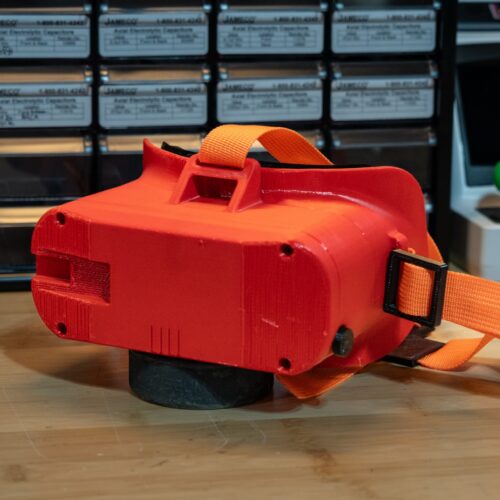
- Some hobbyists build DIY VR headsets using software like Relativty VR and parts like Arduino and small displays.
- Building a DIY VR headset requires time, electronics skills, and often a 3D printer for creating parts.
- DIY VR is cheaper than commercial products but involves complex tasks such as soldering, programming firmware, and assembling pieces.
- Support for older VR platforms like Windows Mixed Reality is maintained by third-party software.
- The DIY VR community uses open-source projects and shares designs online to help others build their own devices.
Read the Full Article
This is a fact-based summary from The Actual News. Click below to read the complete story directly from the original source.