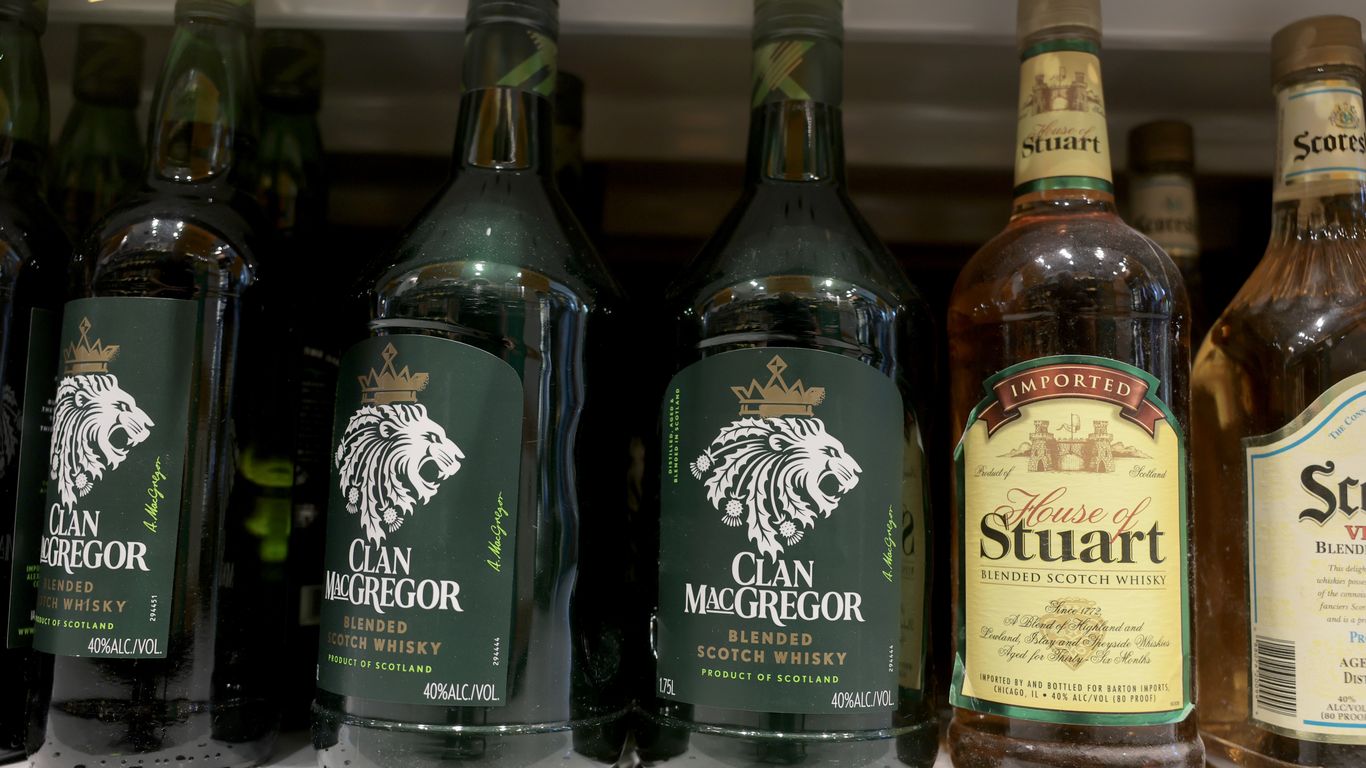
Could you soon make your own moonshine? SCOTUS takes up 160-year-old ban
Summary
The Supreme Court has agreed to review a nearly 160-year-old federal ban on making distilled alcohol like whiskey or vodka at home. Currently, people can brew beer or make wine at home legally, but distilling spirits is illegal and can lead to fines or prison. The Court’s decision could change these rules.Key Facts
- The federal ban on home distilling was created in 1868 during Reconstruction to stop tax evasion.
- Americans can legally brew beer and make wine at home, but not distill spirits like whiskey or vodka.
- Violating the distilling ban can result in up to five years in prison, a $10,000 fine, or both.
- The 5th Circuit Court ruled the ban unconstitutional, but the 6th Circuit upheld it in a separate case.
- The Supreme Court will decide if Congress had the power to impose the ban under the Constitution.
- Even if the ban is lifted, federal rules for permits and taxes could still restrict home distilling.
- Some states, like West Virginia, allow home distilling, but these laws don’t override federal law.
- The Court’s ruling could make it easier to distill at home but won’t automatically legalize unregulated production.
Read the Full Article
This is a fact-based summary from The Actual News. Click below to read the complete story directly from the original source.