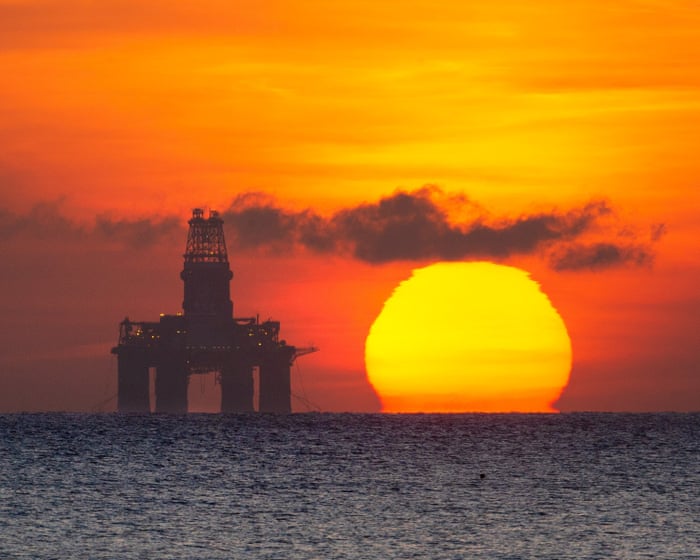
Marine life dramatically declined in Gulf of Mexico in years after BP oil spill, study finds
Summary
A new study found that marine life in the Gulf of Mexico dropped sharply after the 2010 Deepwater Horizon oil spill. Populations of fish, shrimp, squid, and other sea creatures decreased by about 60% and have not fully recovered years later.Key Facts
- The 2010 Deepwater Horizon explosion spilled 134 million gallons of oil into the Gulf of Mexico.
- Fish numbers in the Gulf's "twilight zone" dropped 63.5% between 2011 and 2015.
- Crustaceans, such as shrimp and krill, fell by 62%, and squid and octopuses decreased by nearly 60%.
- The "twilight zone" is a large ocean area between the surface and deep sea, where many marine animals live and feed.
- Researchers used nets, sonar, and genetic studies to measure the population declines and found signs of inbreeding.
- The oil spill and the chemical dispersants used to clean it both harmed marine animals in different ways.
- Despite some slight increases recently, marine populations remain much lower than before the spill.
- BP stated the accident "forever changed" the company, leading to safety and prevention changes.
Read the Full Article
This is a fact-based summary from The Actual News. Click below to read the complete story directly from the original source.