The right to enforce civil rights is under attack in the US
Summary
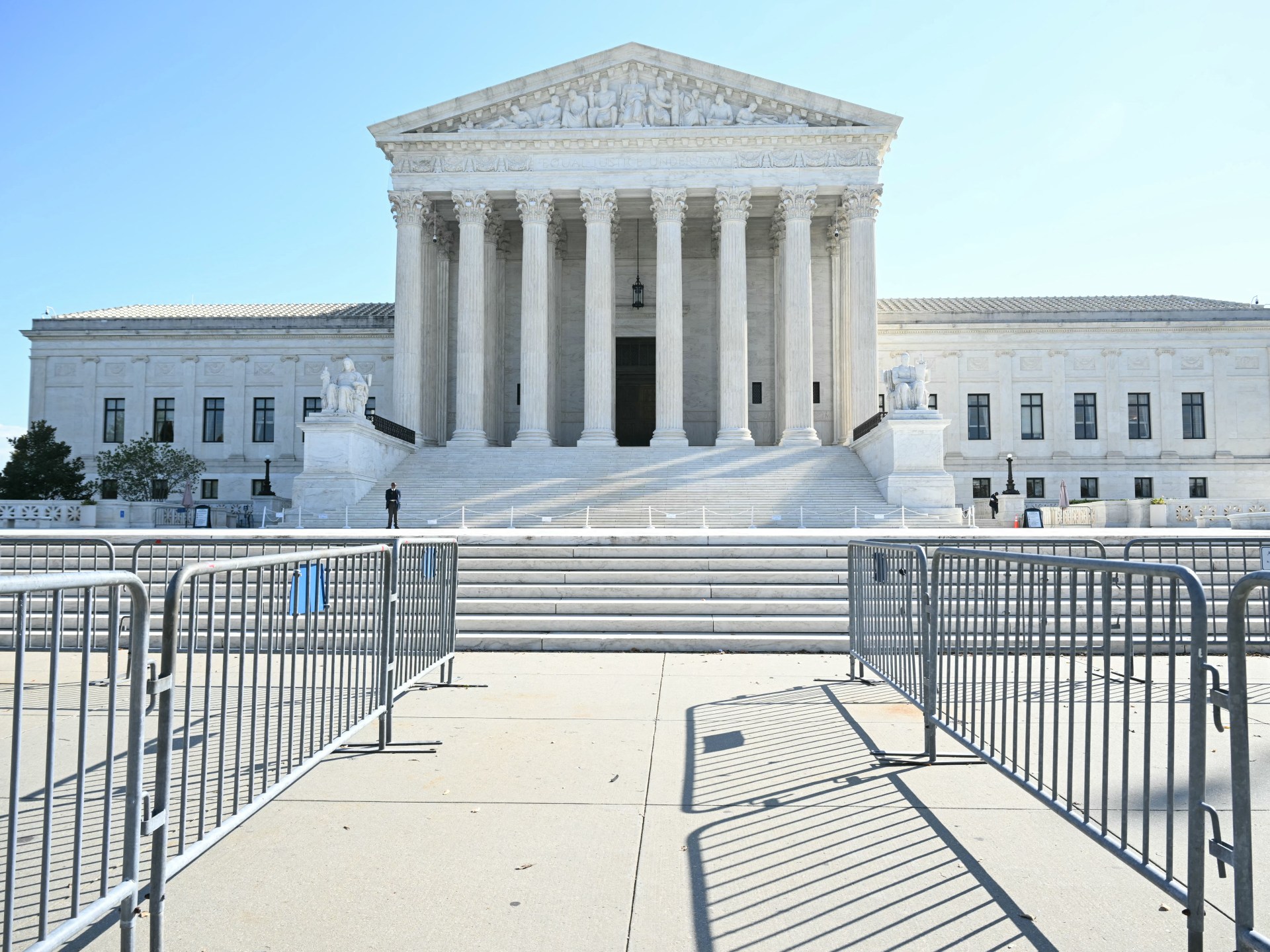
This autumn, the U.S. Supreme Court will decide if employees at federally funded universities can sue under Title IX for workplace sex discrimination. The Trump administration wants the court to rule that these employees do not have the right to sue, arguing that Congress did not give them this authority. This case is part of a larger struggle over whether individuals and groups can enforce civil rights laws through lawsuits or if enforcement should only come from the government.Key Facts
- The Supreme Court will hear a case on November 30 about whether university employees can sue under Title IX for sex discrimination.
- Title IX is a law that prohibits sex-based discrimination in education programs receiving federal funding.
- The Trump administration argues employees do not have a private right to sue under Title IX.
- Private rights of action let individuals or groups file lawsuits to protect civil rights or seek damages.
- Courts have sometimes allowed private lawsuits even when Congress has not explicitly authorized them.
- Restricting private lawsuits could leave enforcement of rights mostly to government agencies.
- Republican-led states and the Trump administration want to limit private lawsuits unless Congress clearly permits them.
- Critics say private lawsuits can lead to unnecessary or frivolous cases, while supporters say they help protect rights when the government does not act.
Read the Full Article
This is a fact-based summary from The Actual News. Click below to read the complete story directly from the original source.