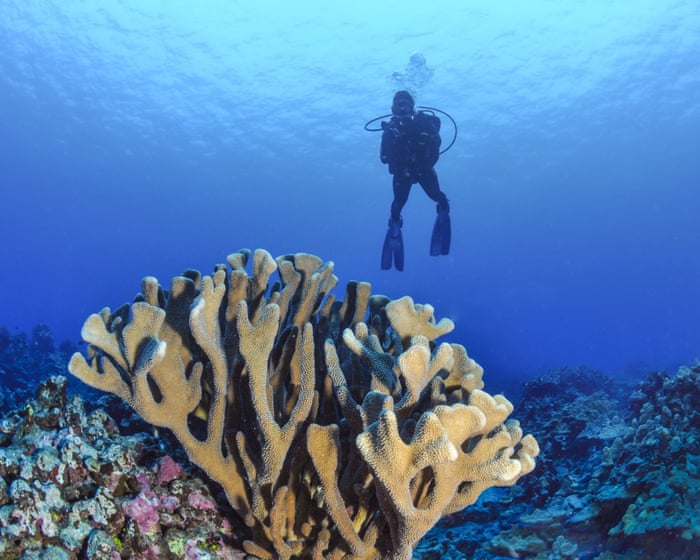
Almost every shallow-water coral reef on the planet faces ecosystem collapse by 2075, UN advisors say
Summary
Almost all shallow-water coral reefs worldwide face a high risk of ecosystem collapse by 2075 due to global warming, according to a United Nations scientific assessment. The report warns that warming, pollution, overfishing, and coastal development have already harmed reefs, but rapid climate action and local conservation could help save them.Key Facts
- About 24% of coral reefs across more than 80 countries are already critically endangered.
- When incorporating future global warming effects, 96% of reefs are at high risk by 2075.
- Coral reefs support about a quarter of all marine species and provide food and coastline protection for hundreds of millions of people.
- The assessment studied 127 coral reef regions and was led by the International Union for Conservation of Nature (IUCN).
- It assumes global temperature will rise about 2.7°C by 2100 if current emission trends continue.
- Coral reef ecosystem collapse means reefs lose most living corals and cannot sustain themselves.
- The report did not fully include the latest mass coral bleaching events from 2023 to 2025, which were the worst ever recorded.
- Scientists say the findings are serious but still provide a chance to prevent total collapse with strong climate and conservation efforts.
Read the Full Article
This is a fact-based summary from The Actual News. Click below to read the complete story directly from the original source.