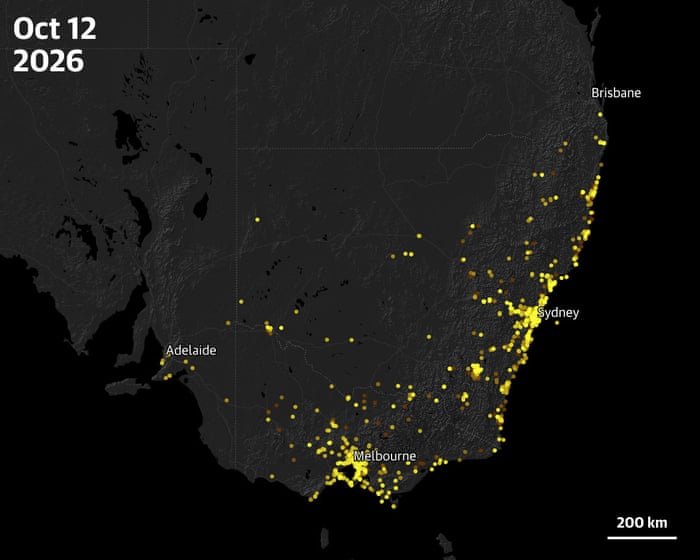
The great moth revival: how bogongs have bounced back
Summary
Bogong moths have returned in large numbers across eastern Australia after a dramatic population crash between 2016 and 2017. Citizen scientists have helped track this recovery by reporting many sightings, revealing a strong comeback for the species.Key Facts
- Bogong moths migrate to the Australian Alps each summer to rest in cool caves.
- At their peak, there were as many as 4 billion moths migrating to these areas.
- The moth population slowly declined from 1980 to 2016 and then crashed sharply in 2017.
- A severe drought from 2017 to 2019 likely caused the population crash.
- Other factors like pesticides and urban light pollution contributed to the decline.
- Citizen scientists have reported many new sightings of bogong moths this year through a project called Bogong Watch on iNaturalist.
- The increase in moth numbers helps plants they pollinate and animals like the endangered mountain pygmy possum that rely on them for food.
- Extensive monitoring of bogong moths has been ongoing for over 40 years by ecologists such as Ken Green.
Read the Full Article
This is a fact-based summary from The Actual News. Click below to read the complete story directly from the original source.