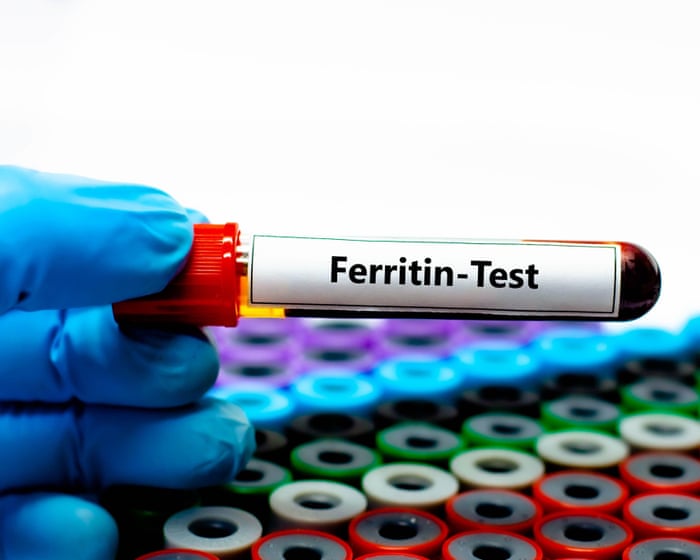
‘Ferritin face’: are social media claims about iron deficiency fact – or fiction?
Summary
Social media posts describe “ferritin face” as pallor, dark circles, dry skin and hair loss, but these signs can have many causes and cannot diagnose iron deficiency. Low iron stores can affect health and appearance, so people at risk or concerned should seek a blood test and medical advice about treatment and the cause.Key Facts
- Ferritin is a protein that stores iron, and a blood test can help assess the body’s iron reserves.
- UK guidelines cited in the article indicate ferritin below 30 micrograms per litre signals iron deficiency; a level below 50 may also point to deficiency.
- Low iron can cause fatigue, brain fog, pale or dull skin, and, in some cases, hair loss; facial appearance alone cannot confirm the condition.
- Common causes include heavy periods, pregnancy, low dietary iron, poor absorption such as with coeliac disease, and blood loss from gastrointestinal problems.
- Athletes may have low iron stores because their bodies have higher iron demands.
- People at higher risk or who are concerned should ask a clinician about blood tests, including a full blood count and ferritin; the article also mentions B12 and folate tests.
- Older people with suspected iron deficiency may need medical investigations to identify possible bleeding in the bowel.
- The article warns that over-the-counter supplements may not provide a treatment dose and that follow-up blood tests may be needed after treatment.
Read the Full Article
This is a fact-based summary from The Actual News. Click below to read the complete story directly from the original source.