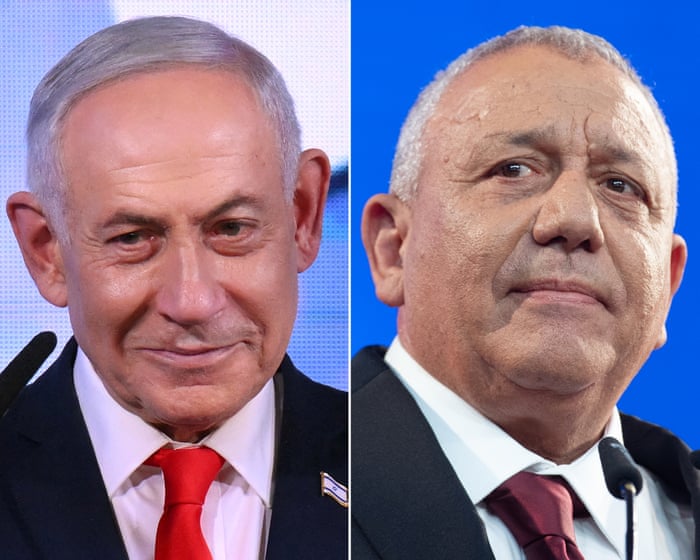
Coalition talks loom in Israel as Netanyahu and Eisenkot blocs set to fall short of majority
Summary
With 70% of votes counted in Israel’s election, neither Benjamin Netanyahu’s coalition nor Gadi Eisenkot’s opposition bloc appeared likely to win the 61 seats needed for a Knesset majority. Coalition talks may hinge on whether Eisenkot’s bloc will work with Arab Israeli parties, which were projected to win 16–19 seats; the remaining absentee ballots could still affect the results.Key Facts
- Initial exit polls showed Eisenkot’s bloc narrowly ahead, but Netanyahu’s coalition moved ahead as vote counting continued.
- With 70% of votes counted, both major blocs appeared short of a majority in the 120-seat Knesset.
- The Joint List and Ra’am were projected to win a combined 16–19 seats, according to the article.
- Centre-left leader Yair Golan urged Eisenkot to negotiate with the Arab Israeli parties.
- Eisenkot appeared to rule out a broad coalition with those parties in a victory declaration, referring to a “Zionist majority.”
- Absentee ballots, including votes from deployed soldiers, remained to be counted; the article said the full count could take several days.
- After the results are final, President Isaac Herzog will ask a party leader to try to form a government, giving that leader six weeks.
- Donald Trump said his endorsement helped Netanyahu’s performance.
Read the Full Article
This is a fact-based summary from The Actual News. Click below to read the complete story directly from the original source.


