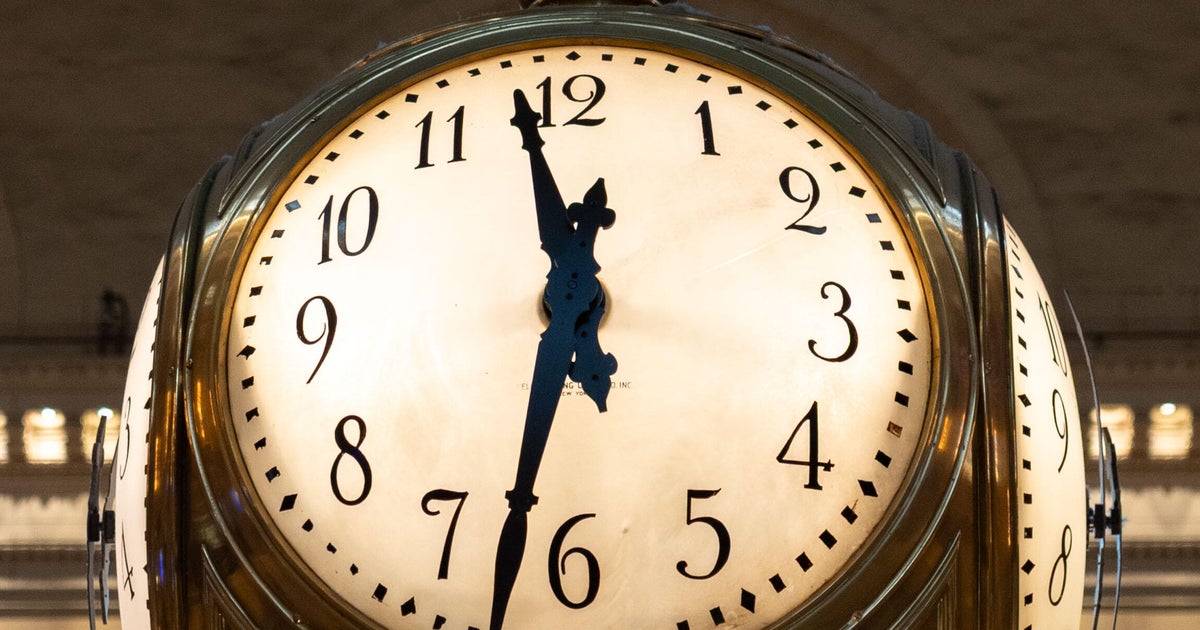
Daylight saving time is almost over. Here's what to know.
Summary
Daylight saving time ends at 2 a.m. local time on Sunday, Nov. 1, 2026, when most Americans will set clocks back one hour. A bill to make daylight saving time permanent passed the House in July but remains before the Senate.Key Facts
- Most of the United States will return to standard time on Nov. 1.
- Daylight saving time shifts clocks one hour ahead from March to early November, moving more daylight into the evening.
- The United States first adopted daylight saving time in 1918 during World War I, partly to conserve fuel.
- Congress set uniform start and end dates for daylight saving time in 1966; the current first-Sunday-in-November end date took effect in 2007.
- The Sunshine Protection Act would make daylight saving time permanent and allow states to opt out before it takes effect.
- The Senate has not acted on the bill, which is set to expire in early January if it is not approved.
- President Donald Trump supports the bill and criticized Sen. Tom Cotton for holding it up; Cotton cited concerns about late winter sunrises.
Read the Full Article
This is a fact-based summary from The Actual News. Click below to read the complete story directly from the original source.