Ahead of midterms, backlash grows over soaring electricity bills
Summary
Residential electricity costs rose about 5% nationwide over the past year, and higher bills have become an issue in the final days before the U.S. midterm elections. Rising costs reflect several factors, including grid upgrades and increased demand; polling also found more Americans say their utility bills are unaffordable.Key Facts
- U.S. residential electricity costs increased approximately 5% in the past year, according to the Energy Information Administration.
- An ABC News analysis found that five of the 10 states with the largest electricity-cost increases have competitive Senate races.
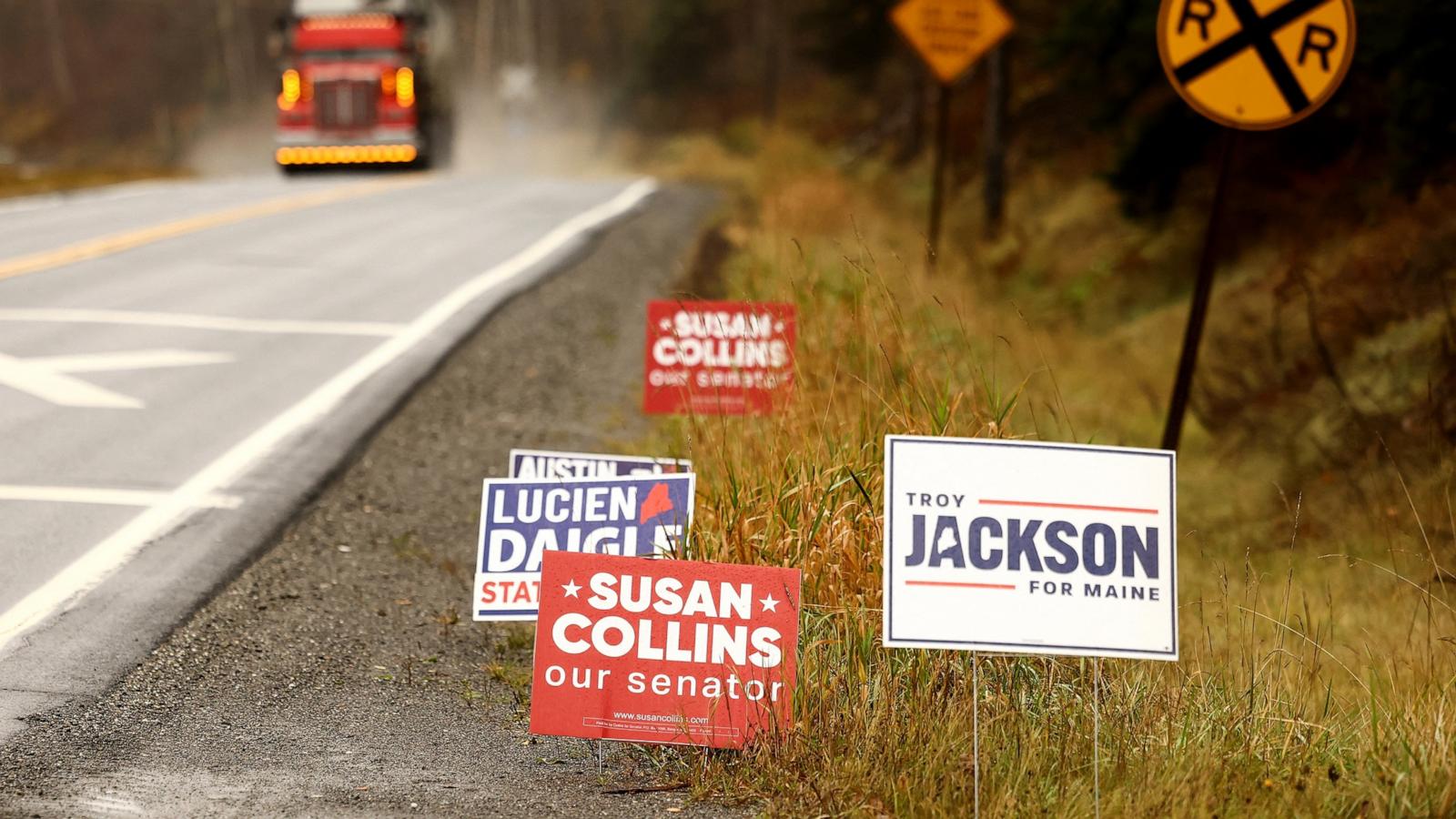
- Electricity costs in Maine rose 16% over the past year; Republican Sen. Susan Collins is running against Democrat Troy Jackson.
- Electricity costs in Ohio rose 12% over the past year; Republican Sen. John Husted is facing former Democratic Sen. Sherrod Brown.
- An ABC News/Washington Post/Ipsos poll found that 57% of Americans say their utilities are unaffordable, compared with 45% in February.
- Reported reasons for rising electricity costs include upgrades to the aging grid, state and local regulations, and greater demand from consumers and businesses, including data centers.
- At an Oct. 20 meeting in Loudoun County, Virginia, resident Derrick Robinson said his monthly utility bill was rising from about $250 to around $850.
- The U.S. Department of Energy recommends measures such as sealing gaps around doors and windows and using power strips to reduce electricity use.
Read the Full Article
This is a fact-based summary from The Actual News. Click below to read the complete story directly from the original source.