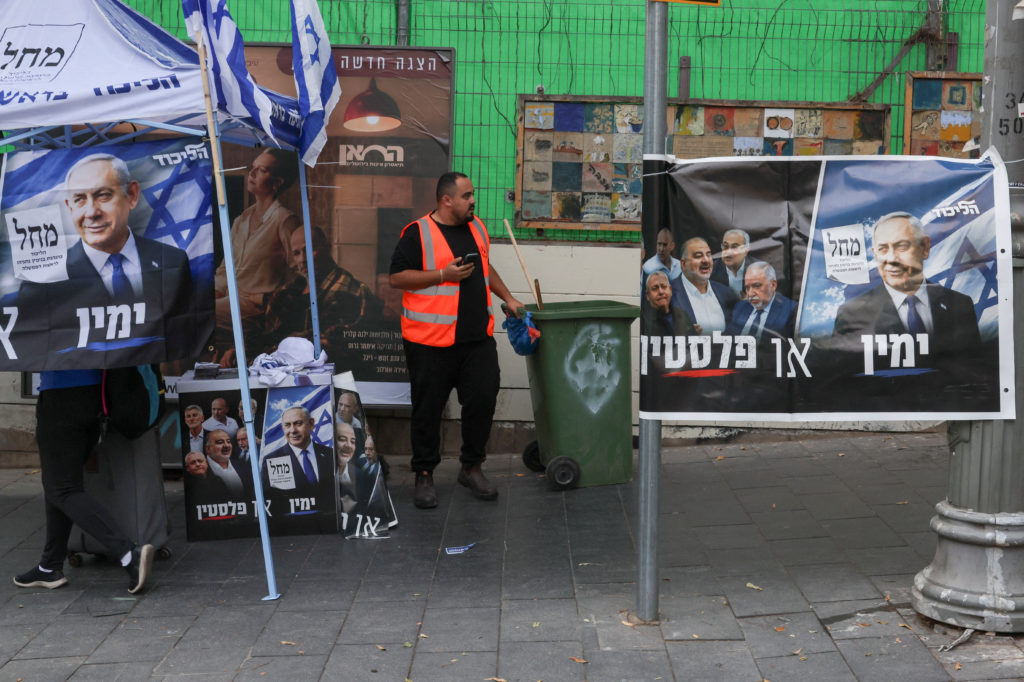
Israel's election results are in. Here's what could happen next
Summary
Israel’s election results gave no bloc a majority, leaving party leaders to negotiate for at least 61 seats in the 120-seat Knesset. Prime Minister Benjamin Netanyahu and rival Gadi Eisenkot face difficult choices, including whether to work with Arab-led parties, form a unity government, or seek defectors; failure to form a coalition could lead to early elections.Key Facts
- Neither Netanyahu’s camp nor Eisenkot’s camp won a majority.
- Arab-led parties won 19 seats, a historic result, and could influence coalition negotiations.
- A coalition needs at least 61 seats in the 120-member Knesset.
- Eisenkot could potentially form a 67-seat coalition with Arab-led parties, but that option would face political opposition.
- A unity government between Netanyahu and Eisenkot’s allies could also reach 67 seats, but Eisenkot’s allies have pledged not to govern with Netanyahu.
- Netanyahu could try to attract opposition figures such as Naftali Bennett or Avigdor Lieberman, who have also pledged not to join him.
- If party leaders fail to form a coalition, Israel could hold early elections next year, while Netanyahu’s government remains as caretaker.
Read the Full Article
This is a fact-based summary from The Actual News. Click below to read the complete story directly from the original source.