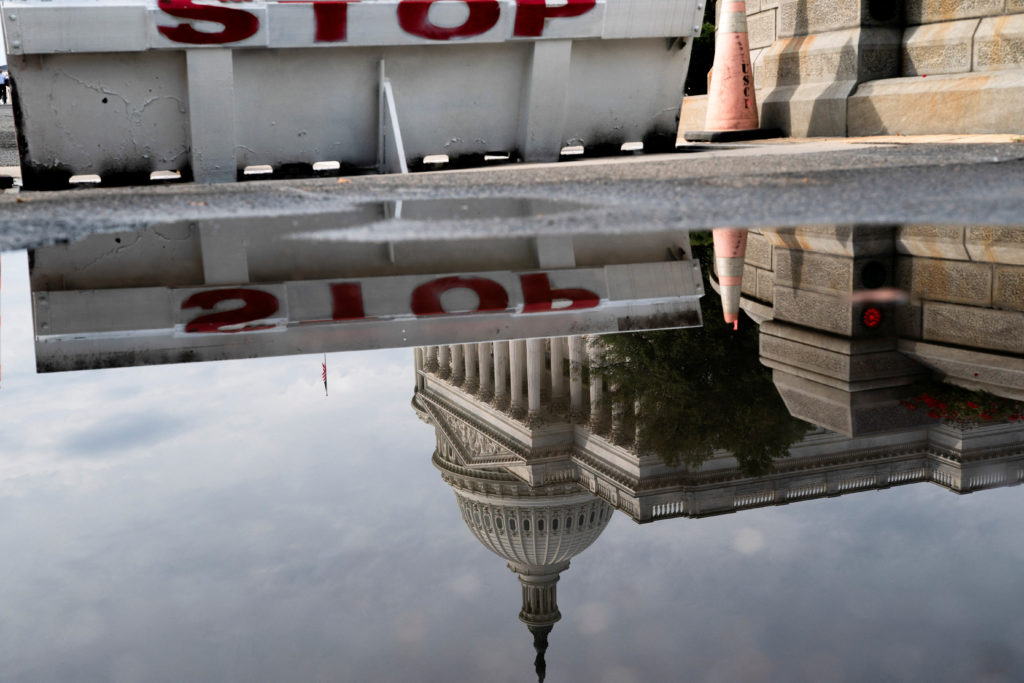
Summary
A government shutdown happens when funding is not agreed upon, causing some federal workers to be furloughed and others to work without pay. Essential services, like national security and air traffic control, continue. Congress usually pays workers afterward, but delays can cause financial stress.
Key Facts
- A government shutdown occurs when lawmakers do not agree on a funding plan.
- During a shutdown, "non-excepted" federal employees are furloughed, meaning they don't work or get paid until it ends.
- "Excepted" employees, who perform essential work, continue to work but without pay temporarily.
- Essential services like FBI, CIA, air traffic control, and military operations continue.
- Social Security, Medicare, and veterans' health services proceed as normal.
- Historically, Congress has paid back furloughed workers after a shutdown.
- The U.S. Postal Service continues to operate since it does not rely on tax dollars.
- Federal agencies decide which services to maintain or suspend during a shutdown.