Three questions that will define AI's political power
Summary
The 2026 midterms are an early test of whether AI policy and ties to tech leaders can shape U.S. elections ahead of the 2028 presidential campaign. The article highlights races that may show whether AI-focused campaigning works, whether Elon Musk’s political spending helps or hurts candidates, and how much support stronger AI safeguards may gain in Congress.Key Facts
- Guardrails Alliance ran ads targeting candidates in Arizona, Montana, North Carolina and California over their AI positions.
- Democratic group Tomorrow Together ran ads criticizing Republicans’ AI records in Michigan, Wisconsin, Arizona and Pennsylvania.
- Public First and Leading the Future spent more than $50 million through affiliated super PACs in nearly 50 races, while their ads largely did not mention AI.
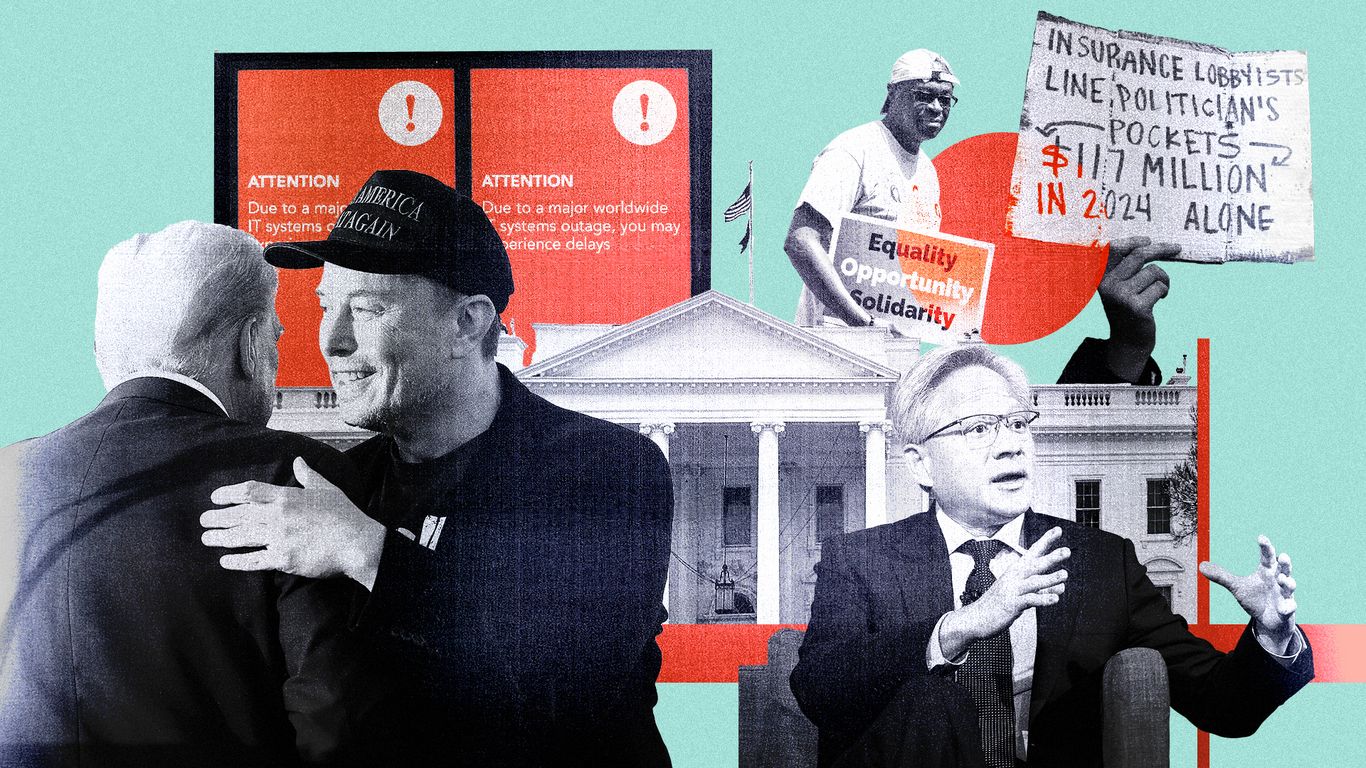
- The article says Elon Musk contributed more than $400 million in the midterms and identifies several congressional races as tests of his political influence.
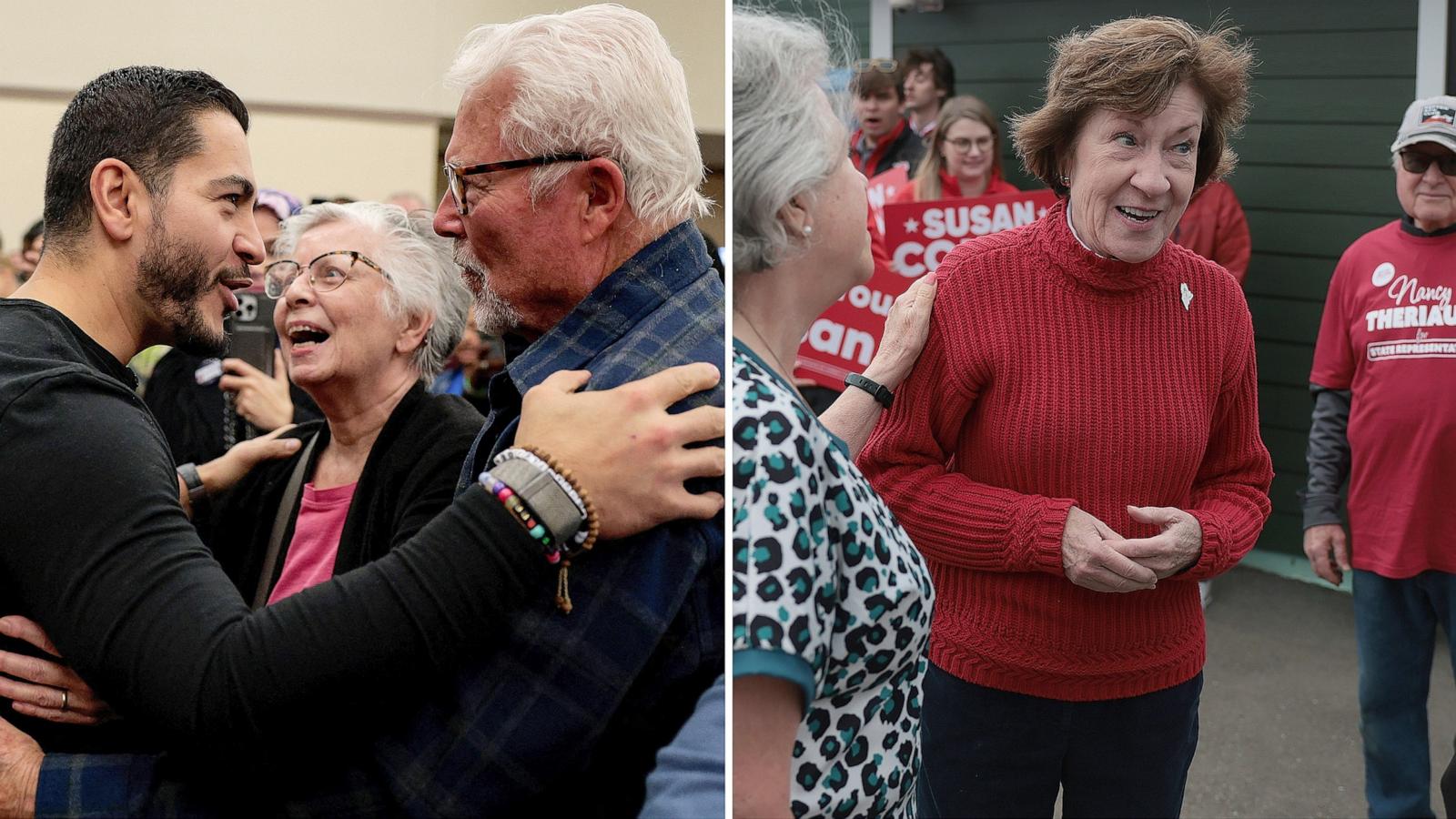
- Michigan Senate candidate Abdul El-Sayed has called for a federal agency to regulate AI and a ban on superintelligence.
- Colorado Democrat Manny Rutinel sponsored what the article describes as the nation’s first comprehensive AI bill.
- The article identifies races involving Scott Wiener in California and Matt Little in Minnesota as potential tests of support for stronger AI safeguards.
Read the Full Article
This is a fact-based summary from The Actual News. Click below to read the complete story directly from the original source.